
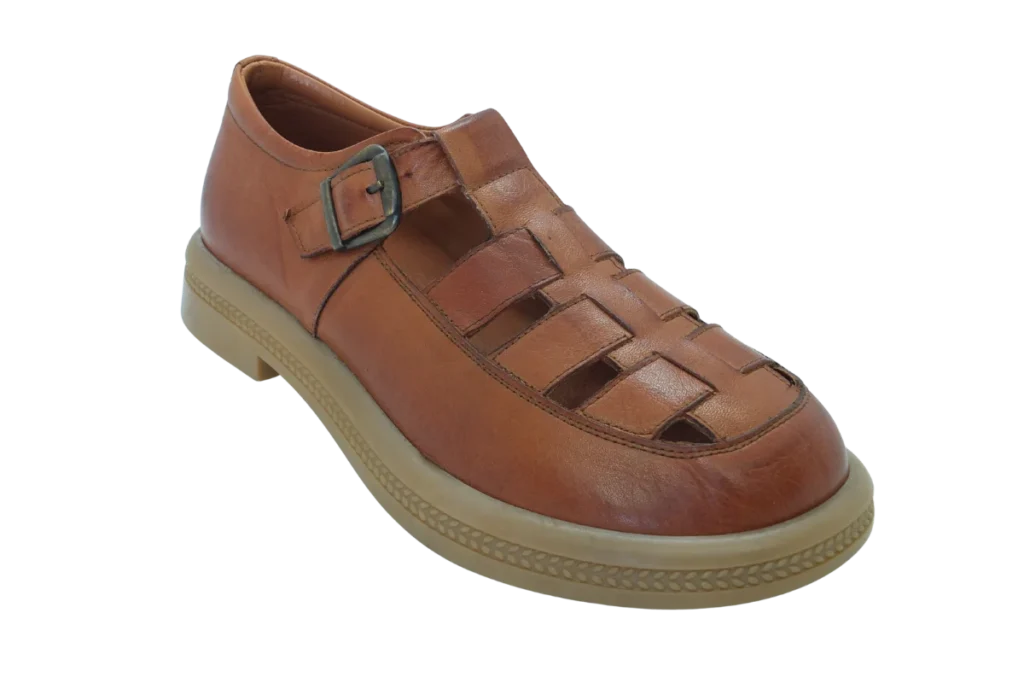
The shoes we wear every day can have a significant impact on comfort, balance, mobility, and overall foot health. While standard footwear is primarily designed around style, general sizing, and everyday use, some people need additional support, space, cushioning, or structural features to accommodate the specific needs of their feet.
This is where orthopedic shoes can play an important role.
Orthopedic shoes are specially designed footwear intended to provide enhanced support, stability, comfort, and accommodation compared with conventional shoes. They may be suitable for people with certain foot conditions, structural differences, mobility challenges, sensitive feet, or specific medical needs.
At Dr. Mery, orthopedic footwear is approached with experience in both medical requirements and everyday usability. Dr. Mery, under the leadership of Specialist Dr. Rıfat Topçuoğlu, has been producing orthopedic and diabetic shoes since 2010.
Understanding what orthopedic shoes are, how they differ from ordinary footwear, and who may benefit from them can help you make a more informed decision about your footwear.
What Are Orthopedic Shoes?
Orthopedic shoes are footwear designed to support the structure and function of the foot more effectively than many standard shoes.
The term “orthopedic” does not simply mean that a shoe is soft or comfortable. A genuine orthopedic footwear design may include specific features intended to improve fit, provide additional support, reduce pressure on sensitive areas, and accommodate different foot shapes or orthopedic requirements.
Depending on the model and intended use, orthopedic shoes can feature a wider toe box, supportive sole construction, additional depth, adjustable closures, shock-absorbing materials, stable heel structures, removable insoles, and carefully designed internal surfaces.
The objective is not only to create a comfortable shoe but also to provide footwear that works more effectively with the user’s foot structure and daily mobility needs.
Orthopedic shoes are available in many different forms today, including casual shoes, walking shoes, professional footwear, diabetic shoes, sandals, boots, and other everyday designs.
Modern orthopedic footwear can therefore combine support, comfort, functionality, and contemporary design.
How Are Orthopedic Shoes Different From Regular Shoes?
One of the main differences between orthopedic shoes and conventional footwear is the level of attention given to foot anatomy, support, internal space, and pressure distribution.
A standard shoe is typically produced according to general sizing standards. Although it may feel comfortable, it may not provide enough room or support for people with particular foot shapes or medical requirements.
Orthopedic footwear is usually designed with a greater focus on functional elements.
For example, a wider and deeper toe area may provide more space for the toes and help prevent unnecessary compression. A stable sole may support balance during walking. Additional depth can make it easier to accommodate certain insoles or foot characteristics. Adjustable closures can also allow the fit to be adapted throughout the day.
Another important factor is the interior of the shoe.
For people with sensitive feet, prominent seams, rigid materials, or pressure points can become uncomfortable. Orthopedic and diabetic footwear may therefore be developed with smoother internal surfaces and materials selected to improve comfort.
However, the exact design characteristics vary between products. The most suitable shoe should always be selected according to the individual’s foot structure and needs.
Who Should Wear Orthopedic Shoes?
Orthopedic shoes are not limited to one age group or one specific medical condition. Different people may benefit from supportive footwear for different reasons.
People who experience recurring foot discomfort may consider orthopedic footwear, particularly when ordinary shoes frequently cause pressure, tightness, or fatigue.
Individuals with wide feet or unusual foot shapes may also benefit from shoes offering additional width and internal space.
People who spend many hours standing or walking during the day can sometimes prefer supportive footwear because of its focus on stability, cushioning, and long-term comfort.
Orthopedic footwear may also be recommended in connection with certain foot or musculoskeletal conditions. In these situations, the appropriate footwear should ideally be selected with guidance from a qualified healthcare professional.
People with diabetes may have specific footwear requirements as well. Because diabetes can affect foot health in different ways, diabetic shoes are designed with particular attention to fit, pressure reduction, protection, and internal comfort.
Not every person with diabetes requires the same type of shoe, however. Footwear needs should be evaluated individually.
Older adults may also benefit from footwear that provides stability, secure fastening, sufficient internal space, and comfortable support.
Ultimately, orthopedic shoes can be relevant for anyone whose feet require more consideration than conventional footwear can provide.
Orthopedic Shoes for People With Diabetes
Diabetic foot care requires particular attention because some individuals with diabetes may experience changes in sensation, circulation, skin condition, or foot structure.
For this reason, poorly fitting footwear can present greater problems for some people with diabetes.
Diabetic shoes are designed to provide a more accommodating environment for the foot. Depending on the model, they may feature extra depth, smooth internal construction, wider fitting options, adjustable fastening systems, cushioning, and reduced internal pressure points.
The goal is to help provide a comfortable and protective footwear environment.
It is important to emphasize that diabetic footwear should be considered part of a broader foot-care approach rather than a substitute for medical evaluation.
People with diabetes should regularly monitor their feet and consult their physician or appropriate healthcare professional if they notice wounds, persistent redness, swelling, changes in sensation, or other concerning symptoms.
Dr. Mery has been producing orthopedic and diabetic shoes since 2010, combining long-standing production experience with a focus on footwear designed for specialized needs.
What Features Should Good Orthopedic Shoes Have?
The ideal features of orthopedic shoes depend on the person who will wear them. There is no single design that is suitable for every foot.
Nevertheless, several characteristics are commonly associated with quality orthopedic footwear.
A well-designed orthopedic shoe should provide enough space for the foot without allowing excessive movement inside the shoe. The toe area should accommodate the toes naturally rather than forcing them together.
The sole should provide an appropriate balance between cushioning and stability. Excessively soft footwear is not necessarily more supportive, while an overly rigid shoe may not provide the comfort required for everyday use.
Heel stability is also important. A supportive heel structure can help keep the rear of the foot more securely positioned inside the shoe.
Adjustability can be particularly valuable for people whose feet swell during the day or whose foot shape requires a customized fit. Laces, straps, or other adjustable systems allow the shoe to be adapted more accurately.
The interior should also be carefully considered. Materials, seams, padding, and construction can all affect long-term comfort.
For some users, removable insoles are another useful feature because they can provide additional flexibility when an alternative or professionally recommended insole is required.
Can Orthopedic Shoes Be Worn Every Day?
Yes. Many orthopedic shoes are specifically designed for daily use.
Modern orthopedic footwear is no longer limited to heavy or highly clinical-looking designs. Today, manufacturers can produce supportive footwear in styles suitable for work, daily activities, walking, social environments, and general everyday use.
For people who require ongoing support or additional comfort, wearing an appropriate orthopedic shoe throughout the day may be more practical than switching between supportive and unsuitable footwear.
However, the right model depends on how the shoe will be used.
A person who spends most of the day standing may have different requirements from someone who walks long distances. Similarly, workplace footwear may need different characteristics from casual footwear.
The correct fit and construction should therefore be prioritized over appearance alone.
How Do You Choose the Right Orthopedic Shoe?
Choosing orthopedic footwear should begin with understanding your own feet.
Shoe size alone does not provide enough information. Width, foot volume, toe shape, arch structure, swelling, sensitivity, and the intended use of the shoe should all be considered.
The shoe should feel secure without creating excessive pressure. Your toes should have adequate room, and your heel should remain reasonably stable while walking.
It is also important to try footwear with the type of socks you normally wear.
People using prescribed orthotics or specialized insoles should make sure the shoe provides adequate depth and internal space.
If you have an existing orthopedic condition, diabetes, persistent foot pain, significant swelling, foot deformity, or another medical concern, footwear selection should be discussed with an appropriate healthcare professional.
A shoe that works very well for one person may not be suitable for another.
Why Proper Footwear Matters
Your feet support your body through thousands of steps every day. When footwear does not fit correctly, repeated pressure and friction can negatively affect comfort and walking experience.
Properly selected footwear can help provide a stable base for everyday movement.
This does not mean that orthopedic shoes can diagnose, treat, or cure every foot-related problem. Rather, appropriate footwear can form an important part of managing comfort and accommodating individual foot requirements.
For some people, simply moving from narrow or poorly fitting footwear to a properly sized, supportive shoe can make daily activities considerably more comfortable.
The key is selecting footwear according to function rather than focusing only on appearance.
Orthopedic Shoes and Long-Term Comfort
Footwear needs can change over time.
Age, work habits, activity levels, weight changes, previous injuries, health conditions, and changes in foot structure can all influence which shoes feel appropriate.
A model that was comfortable several years ago may no longer be ideal today.
For this reason, it can be useful to regularly evaluate how your shoes fit and how your feet feel after prolonged use.
Persistent pressure marks, discomfort, rubbing, instability, or recurring pain should not simply be accepted as a normal consequence of wearing shoes.
The right footwear should work with the foot rather than constantly creating pressure against it.
Dr. Mery: Experience in Orthopedic and Diabetic Footwear Since 2010
Choosing orthopedic footwear involves more than selecting a comfortable-looking pair of shoes. Knowledge of footwear construction, foot requirements, materials, fit, and everyday usability is equally important.
Founded by Specialist Dr. Rıfat Topçuoğlu, Dr. Mery has been producing orthopedic and diabetic shoes since 2010.
Under the leadership of Specialist Dr. Rıfat Topçuoğlu, Dr. Mery focuses on developing footwear that brings together functionality, comfort, supportive construction, and practical everyday design.
Whether you are looking for orthopedic shoes for daily use, footwear with additional room and support, or diabetic shoe solutions, the right product should always be selected according to your individual needs.
For information about Dr. Mery orthopedic and diabetic shoes, available models, product features, and suitable footwear options, you can contact our team.
Dr. Mery Medical Shoes
Location: Bornova, Izmir
Phone: +90 532 215 28 39
E-mail: info@drmeryshoes.com
Frequently Asked Questions About Orthopedic Shoes
1. What are orthopedic shoes?
Orthopedic shoes are specially designed footwear developed to provide additional support, stability, space, and comfort for people with particular foot structures or footwear requirements. Their construction may include wider toe areas, supportive soles, extra depth, adjustable closures, and other functional features.
2. Who should wear orthopedic shoes?
Orthopedic shoes may be suitable for people with certain foot conditions, wide or sensitive feet, structural differences, mobility requirements, or persistent discomfort from conventional footwear. They may also be considered by people who spend long hours standing or walking. If you have a medical condition affecting your feet, consult a qualified healthcare professional.
3. Are orthopedic shoes only for older people?
No. Orthopedic footwear can be used by adults of different ages. The need for additional support, space, stability, or specialized footwear depends on foot structure and individual requirements rather than age alone.
4. Can orthopedic shoes be worn every day?
Yes. Many orthopedic shoes are designed specifically for everyday wear. Modern models can combine supportive construction with styles suitable for work, walking, casual use, and other daily activities.
5. What is the difference between orthopedic shoes and diabetic shoes?
Orthopedic shoes are designed to address a broad range of support, fit, and structural footwear needs. Diabetic shoes are generally developed with additional attention to protecting sensitive feet, minimizing internal pressure points, and providing an accommodating fit. Individual requirements can vary considerably.
6. Are orthopedic shoes more comfortable than regular shoes?
They can be more comfortable for people whose feet require additional room, support, cushioning, or stability. However, comfort depends on choosing the correct size, width, construction, and model for the individual wearer.
7. Should orthopedic shoes have removable insoles?
Removable insoles can be useful, particularly for people who need additional depth or use professionally recommended orthotics. However, not every person requires removable insoles, so the best design depends on individual needs.
8. How should orthopedic shoes fit?
They should feel secure without excessive pressure. There should be adequate space around the toes, the heel should remain reasonably stable, and the shoe should not create rubbing or uncomfortable pressure points while walking.
9. Can people with diabetes wear orthopedic shoes?
Depending on individual foot health and medical requirements, people with diabetes may benefit from specialized diabetic or orthopedic footwear. Because diabetes can affect foot health differently from person to person, footwear decisions should be made with appropriate professional guidance when necessary.
10. Where can I get more information about Dr. Mery orthopedic shoes?
You can contact Dr. Mery in Bornova, Izmir for information about orthopedic and diabetic footwear. Dr. Mery has been producing orthopedic and diabetic shoes since 2010 under the leadership of Specialist Dr. Rıfat Topçuoğlu. Call +90 532 215 28 39 or email info@drmeryshoes.com for product information and assistance.