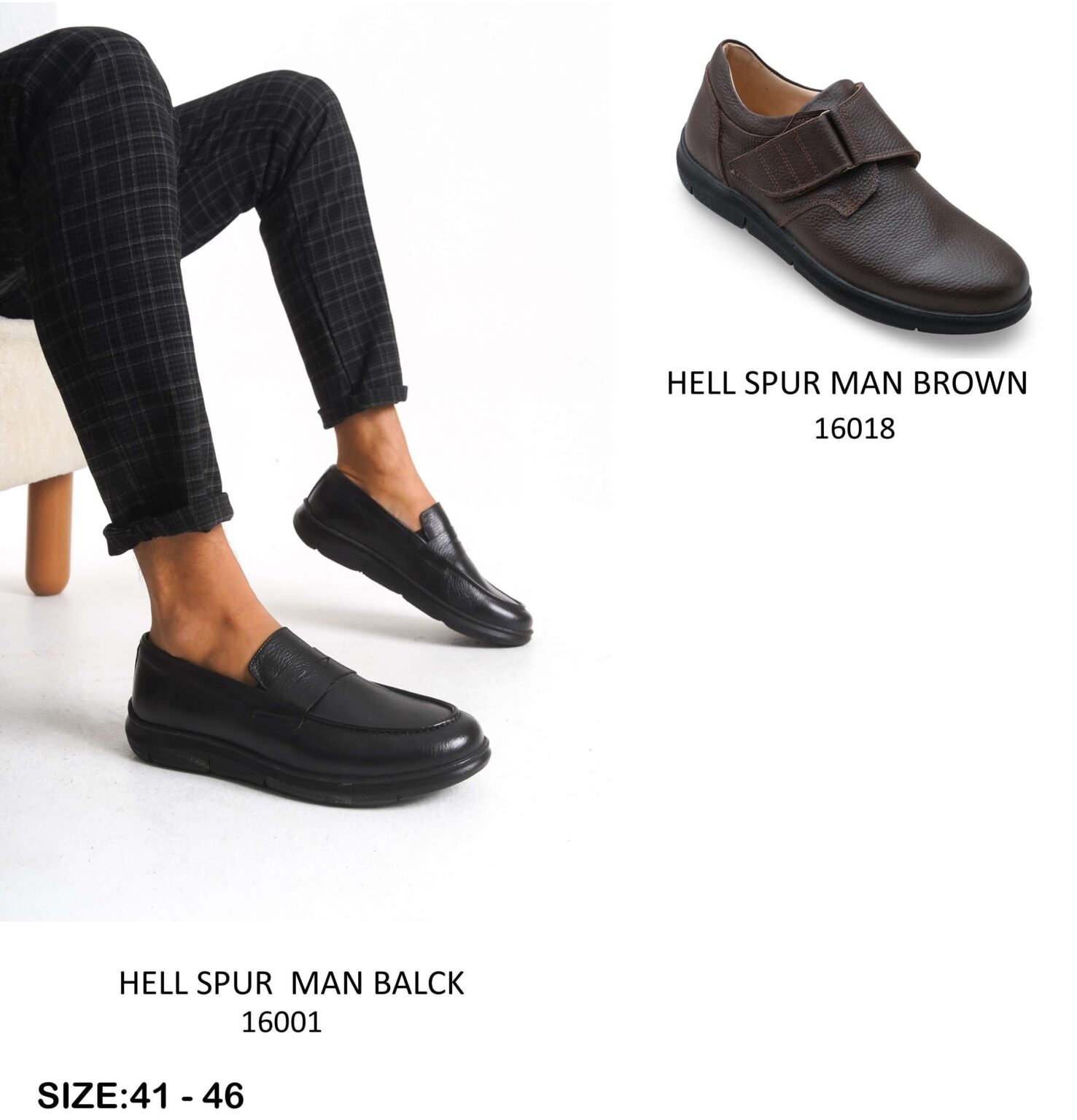
HEEL SPUR
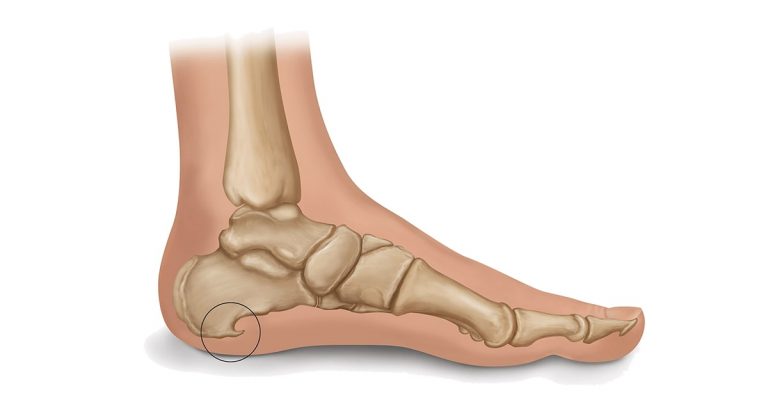
A heel spur is a bone-like calcium deposit located between the heel bone and the arch of the sole. Typically around 0.5 cm in length, it is very small and therefore cannot be seen from the outside.
Heel spur symptoms can appear as soon as you get out of bed in the morning or may develop in people who stand for long periods. In such cases, resting can gradually reduce the pain.
Causes of Heel Spurs:
- Jumping and running in non-supportive shoes
- Walking on very hard surfaces
- Trauma or injuries in the muscles and connective tissues of the foot
- Pain due to arthritis or being overweight
- Wearing uncomfortable and non-anatomical shoes
- Wearing flip-flops (especially thong-style) for extended periods
- Trauma in the heel area due to impacts or hard blows
- Rheumatic complaints in the spine and lower back, as well as aging
Suggestions for Heel Spurs:
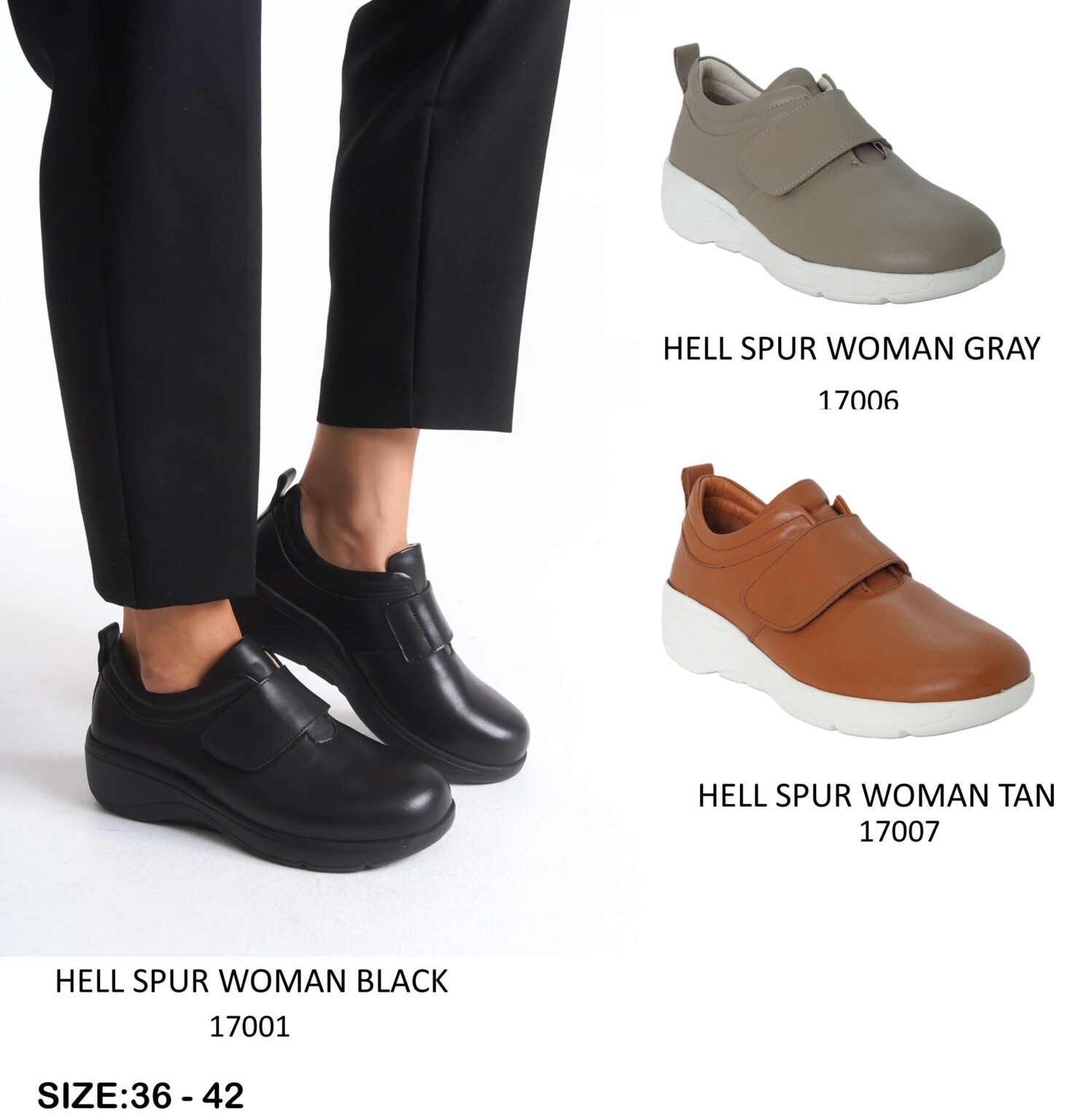
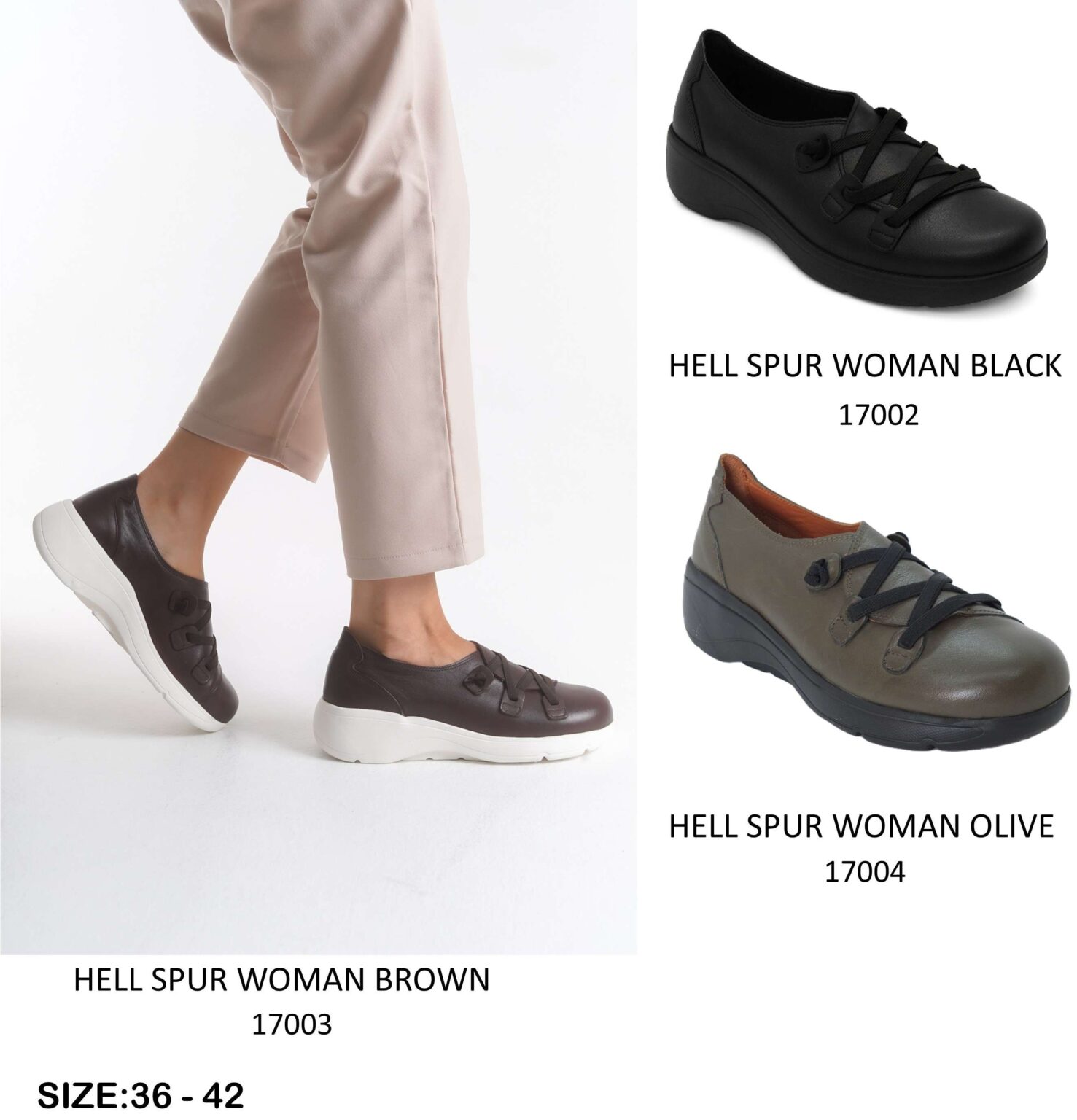
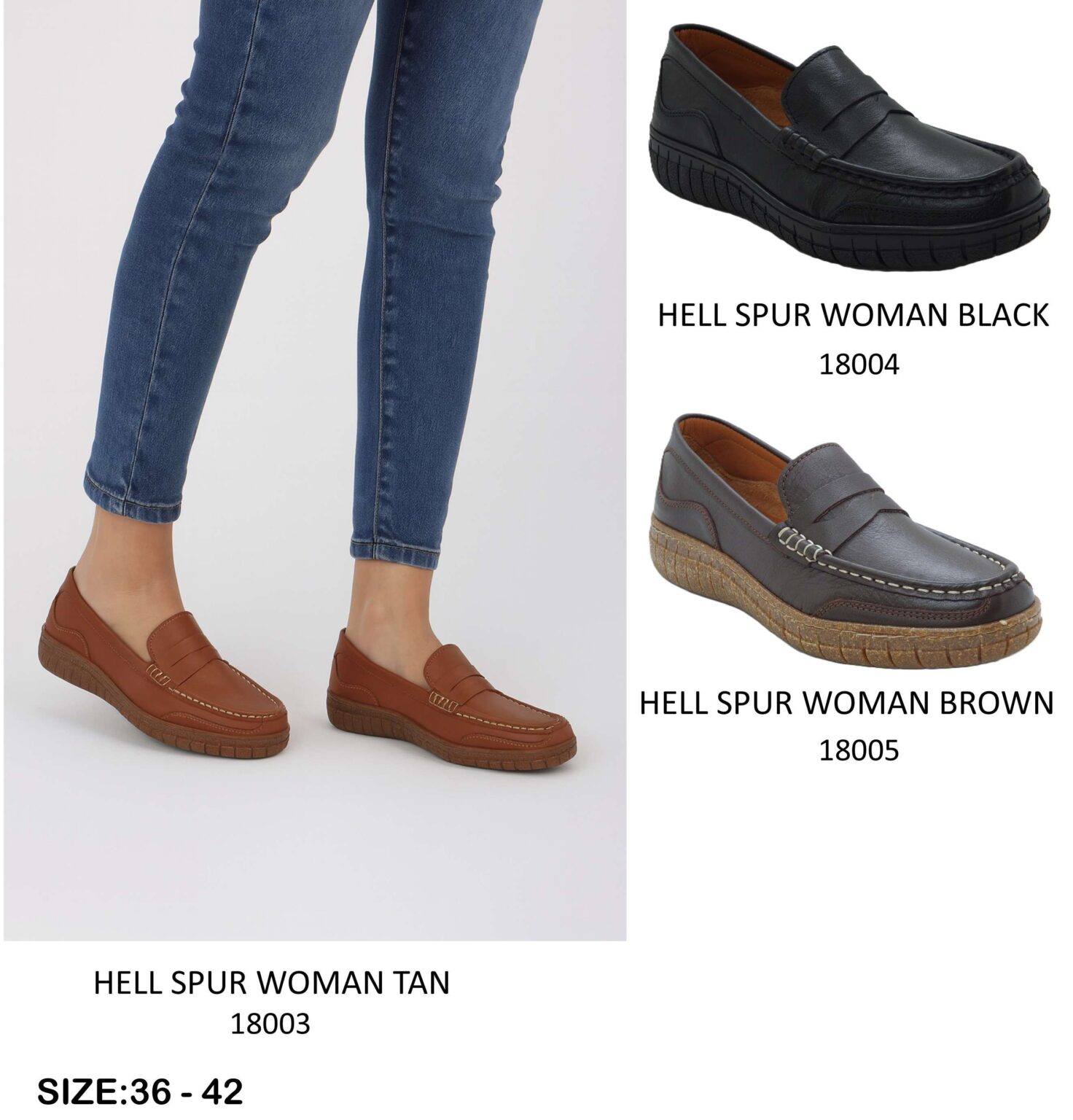
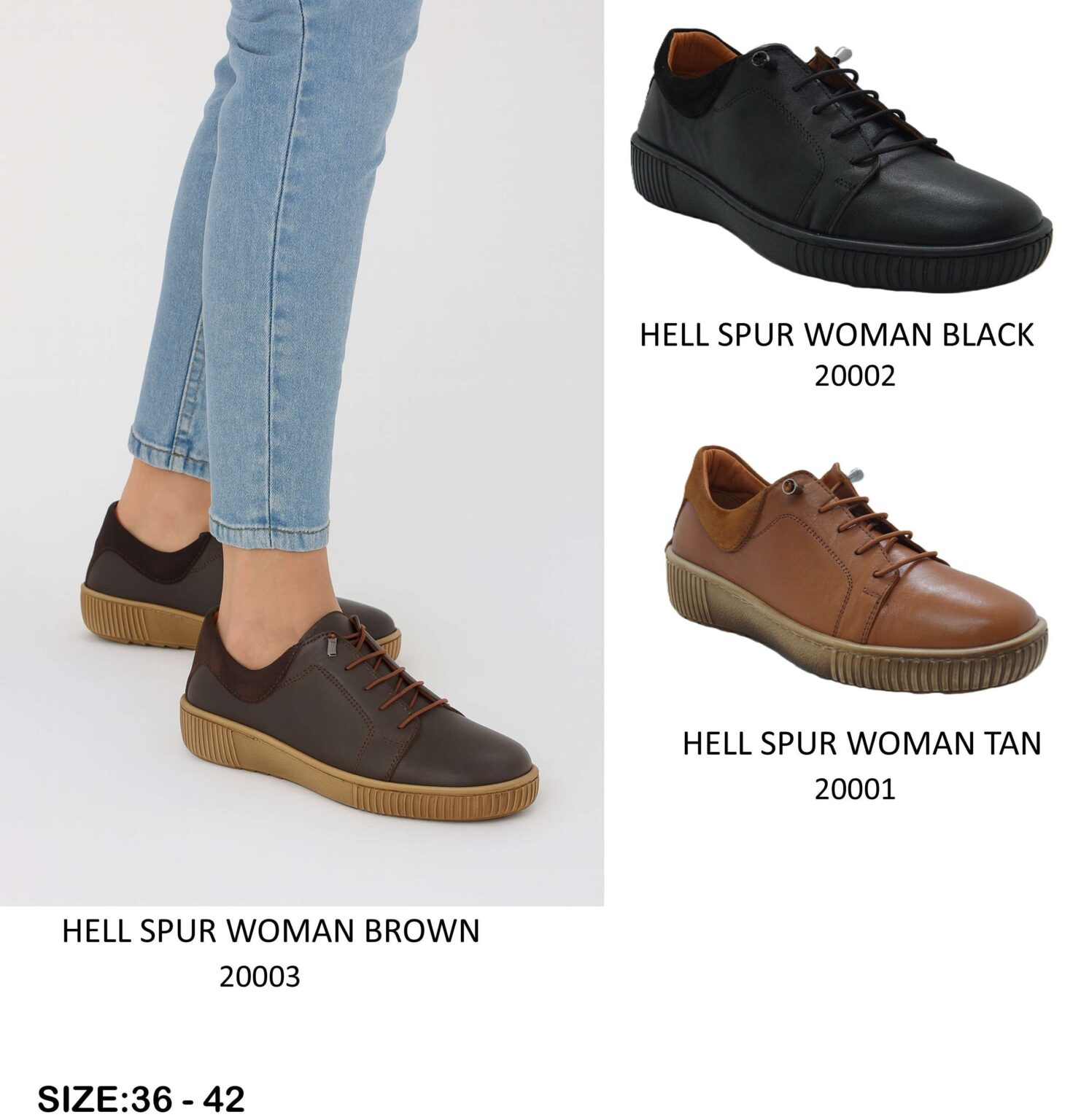
- Comfortable and well-fitting shoes:These types of shoes can help reduce pressure on the heel spur.
- Firm heel support:The back “counter” of the shoe should be firm to support the heel and prevent your foot from rolling inward or outward.
- Slightly elevated heel:A heel insert or shoe with a slightly elevated heel (no more than 4 cm high) can help relieve pressure on the painful heel.
Additionally, you can use custom anatomical insoles, which help prevent your foot from rolling and provide extra heel support. You can obtain these insoles from Dr. Mery.
Rifat Topcuoglu, M.D.