VARICOSE VIENS
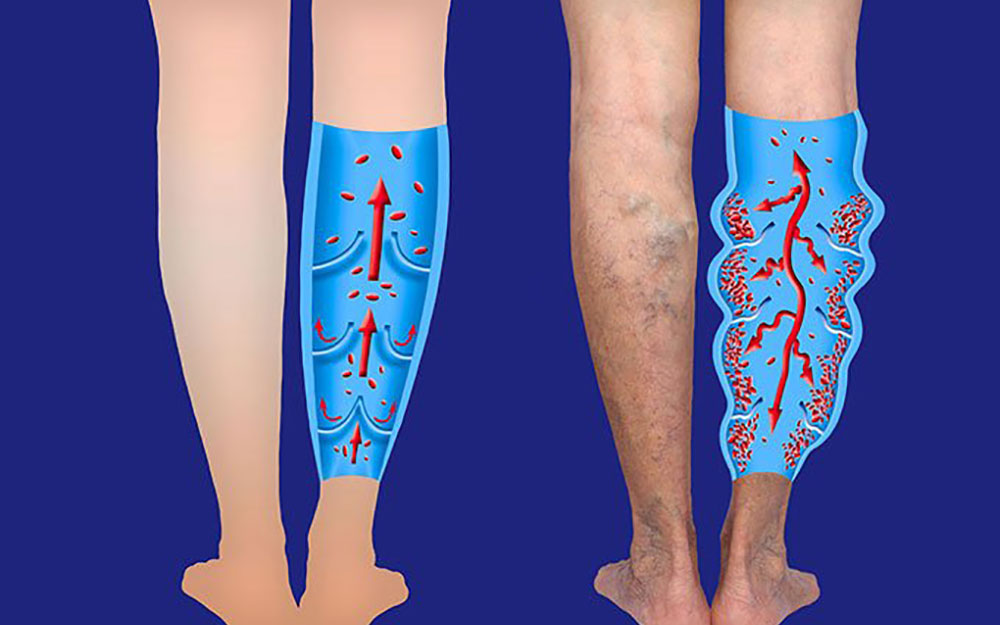
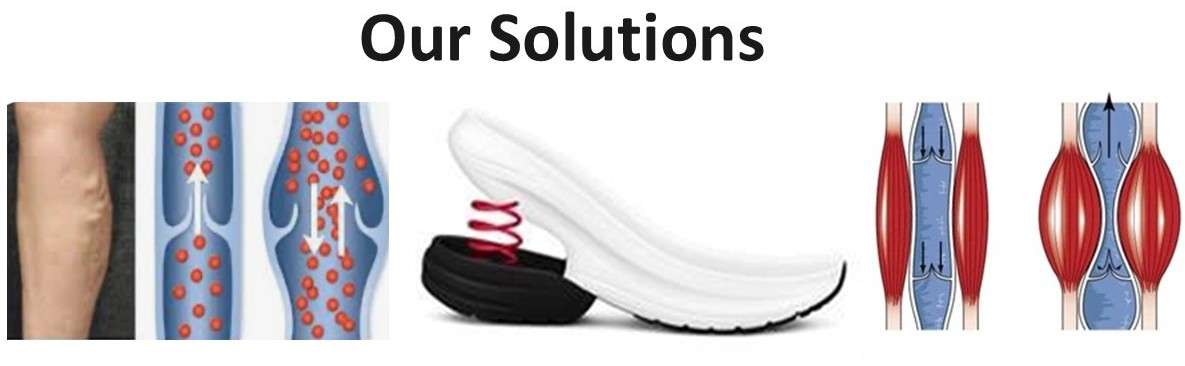
The veins have one-way valves so that the blood can travel in only one direction. If the walls of the vein become stretched and less flexible, or elastic, the valves may get weaker.
A weakened valve can allow blood to leak backward and eventually flow in the opposite direction. When this occurs, blood can accumulate in a vein or veins, which then become enlarged and swollen.
The veins farthest from the heart, such as those in the legs, are most often affected. This is because gravity makes it harder for the blood to flow back to the heart.
Normally, one-way valves in your leg veins keep blood moving up toward the heart. When the valves do not work properly, they allow blood to back up into theo vein. The vein swells from the blood that collects there, which causes varicose veins over time.
Varicose veins are common, and affect more women than men. However, if the flow of blood through veins becomes poor enough, problems such as leg swelling and pain, blood clots, and skin changes may be present.
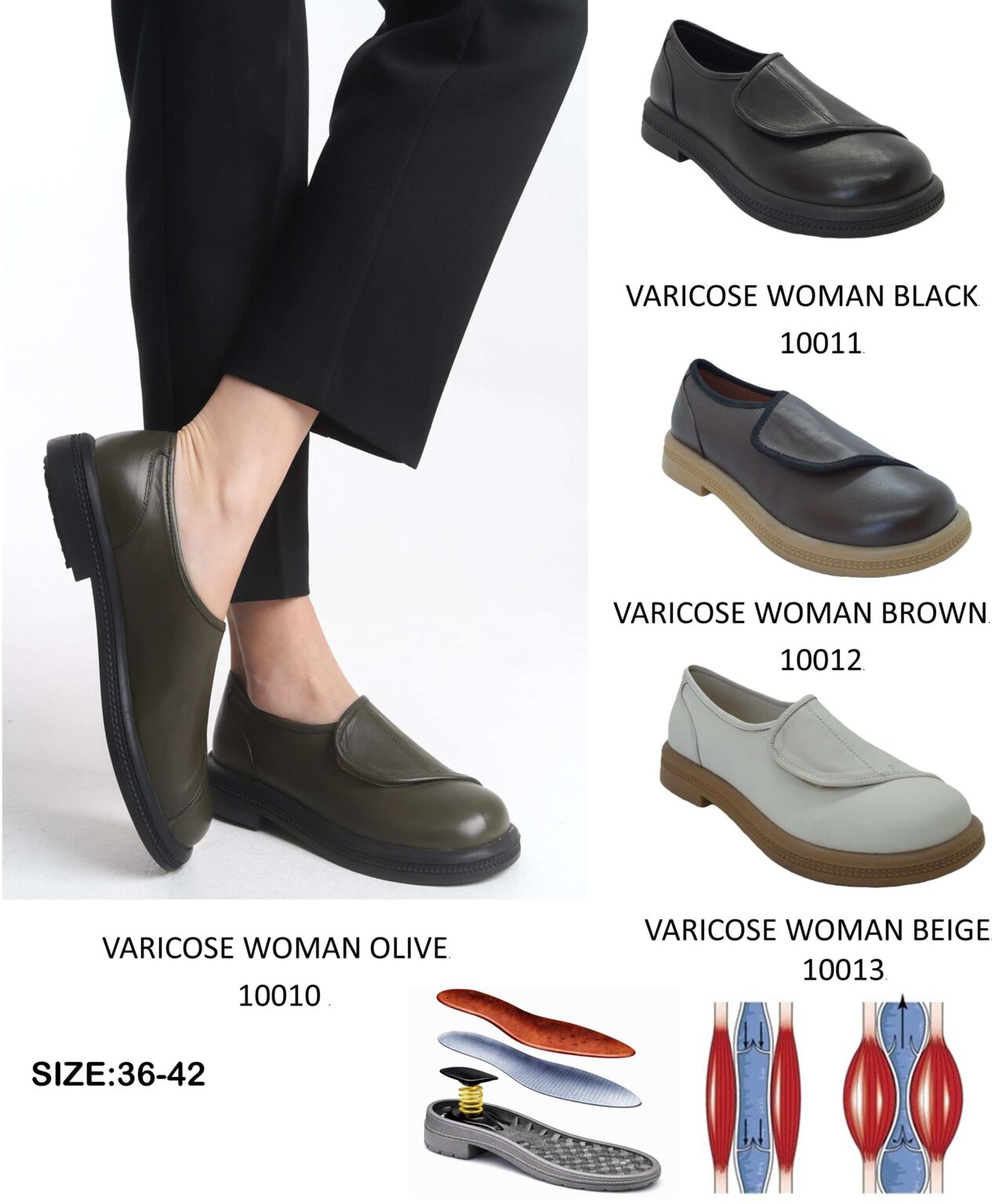
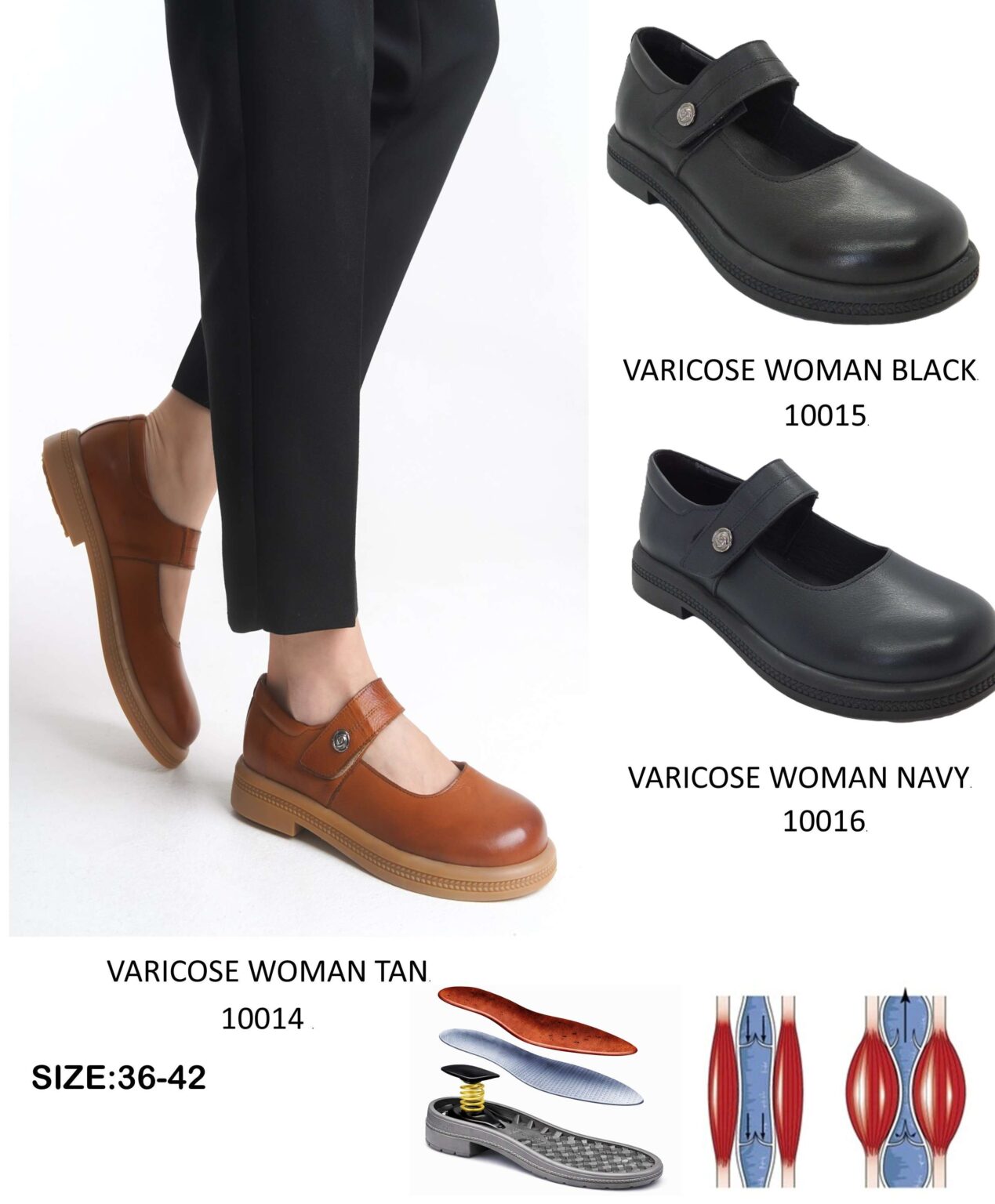
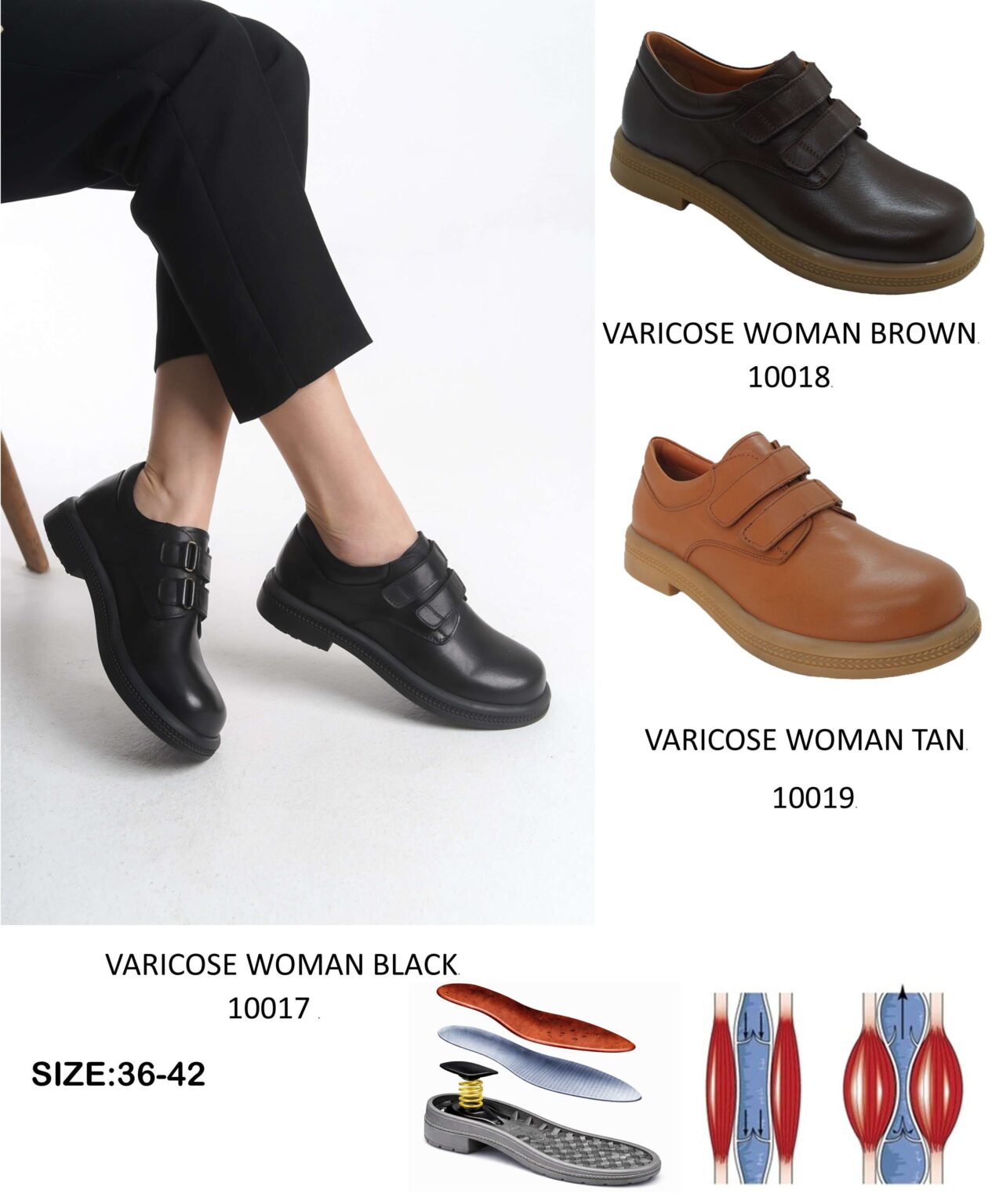
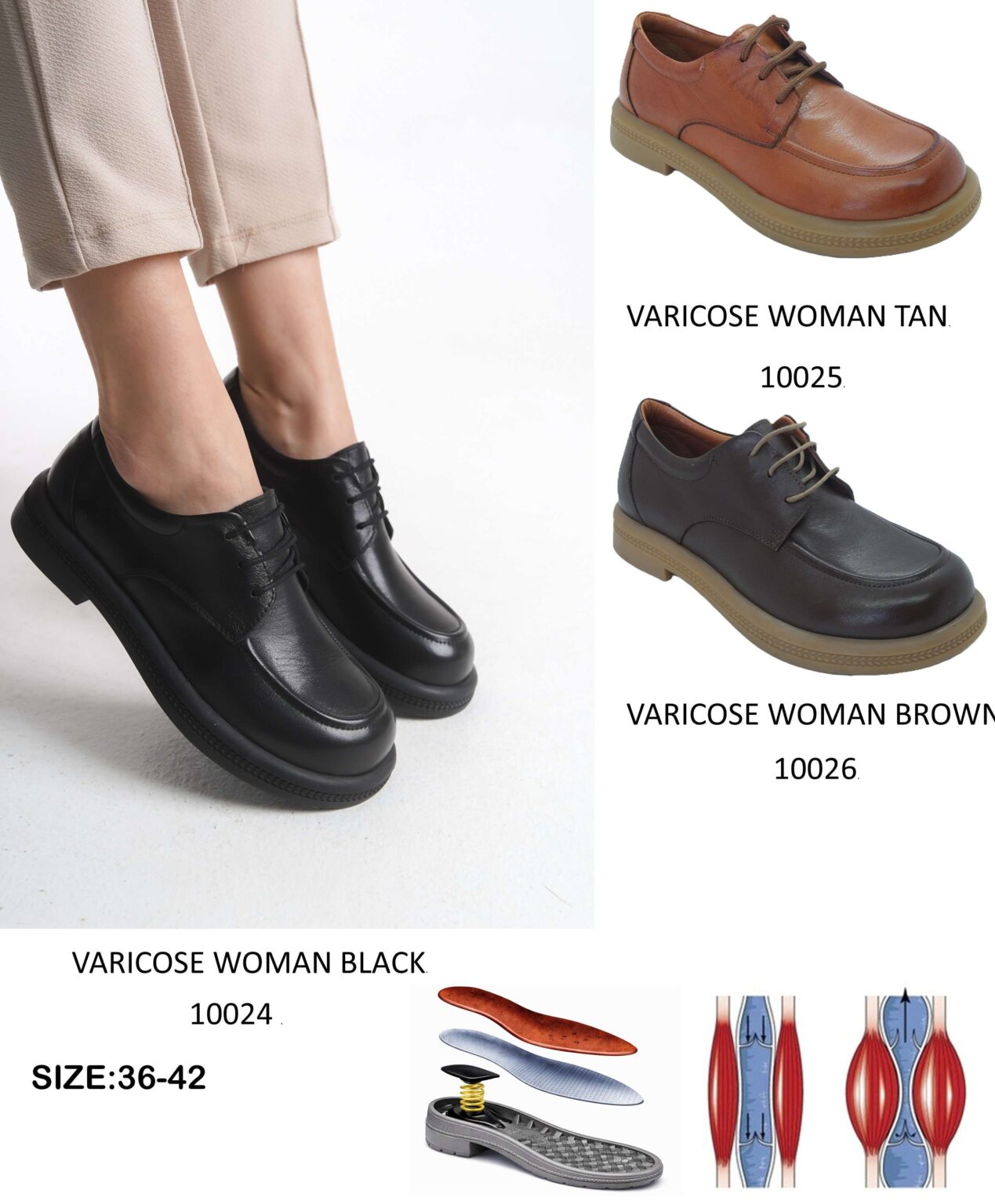
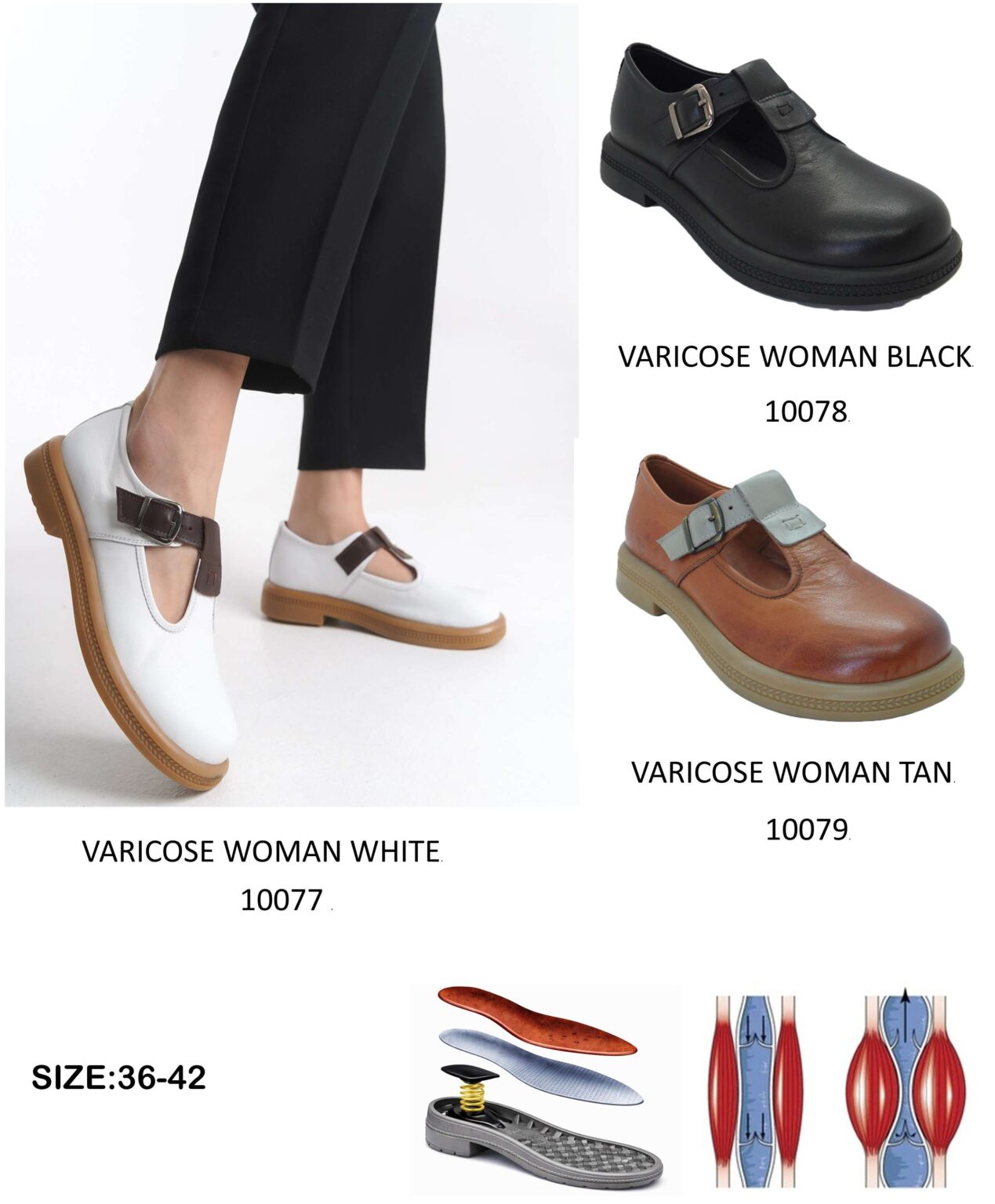
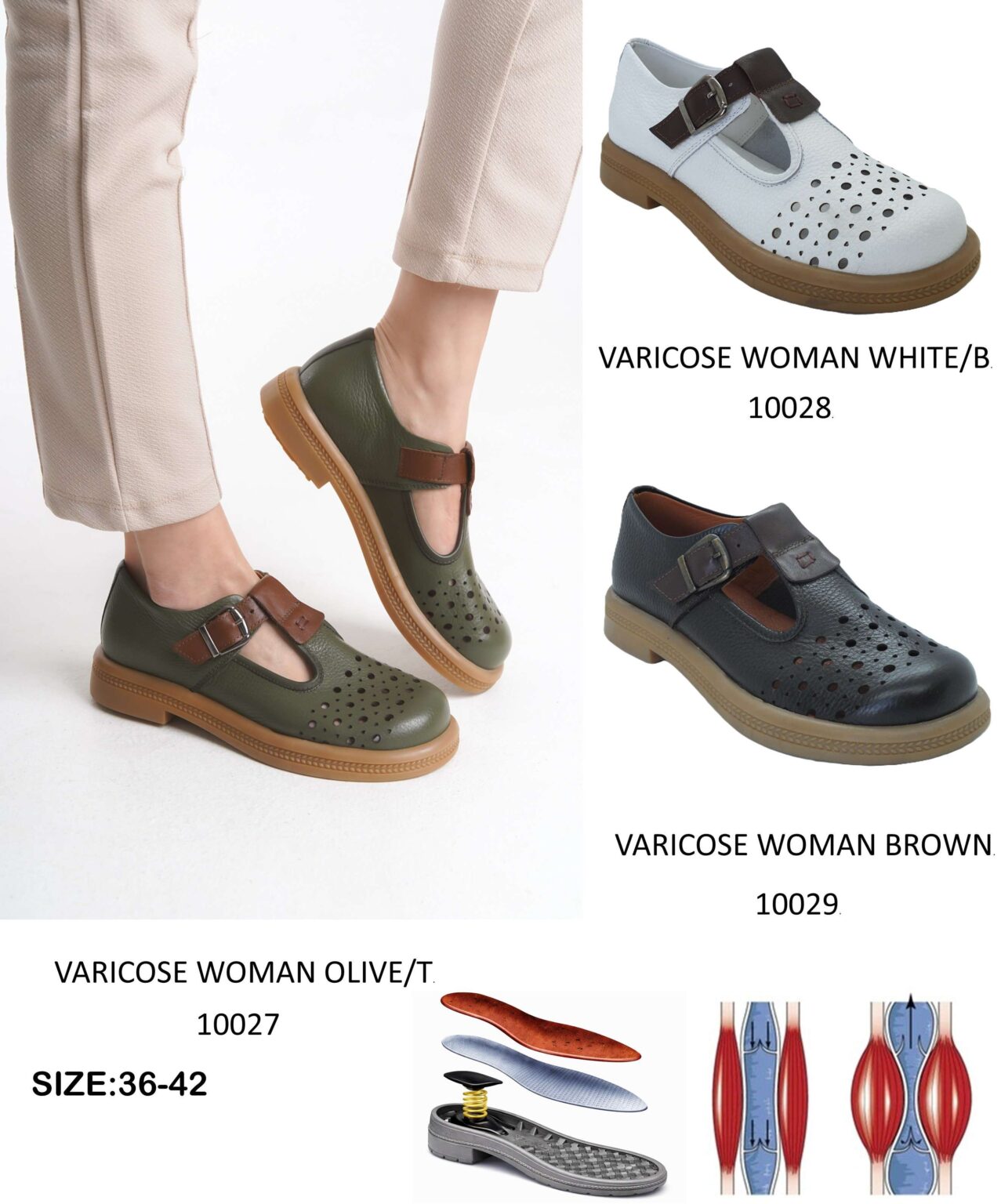
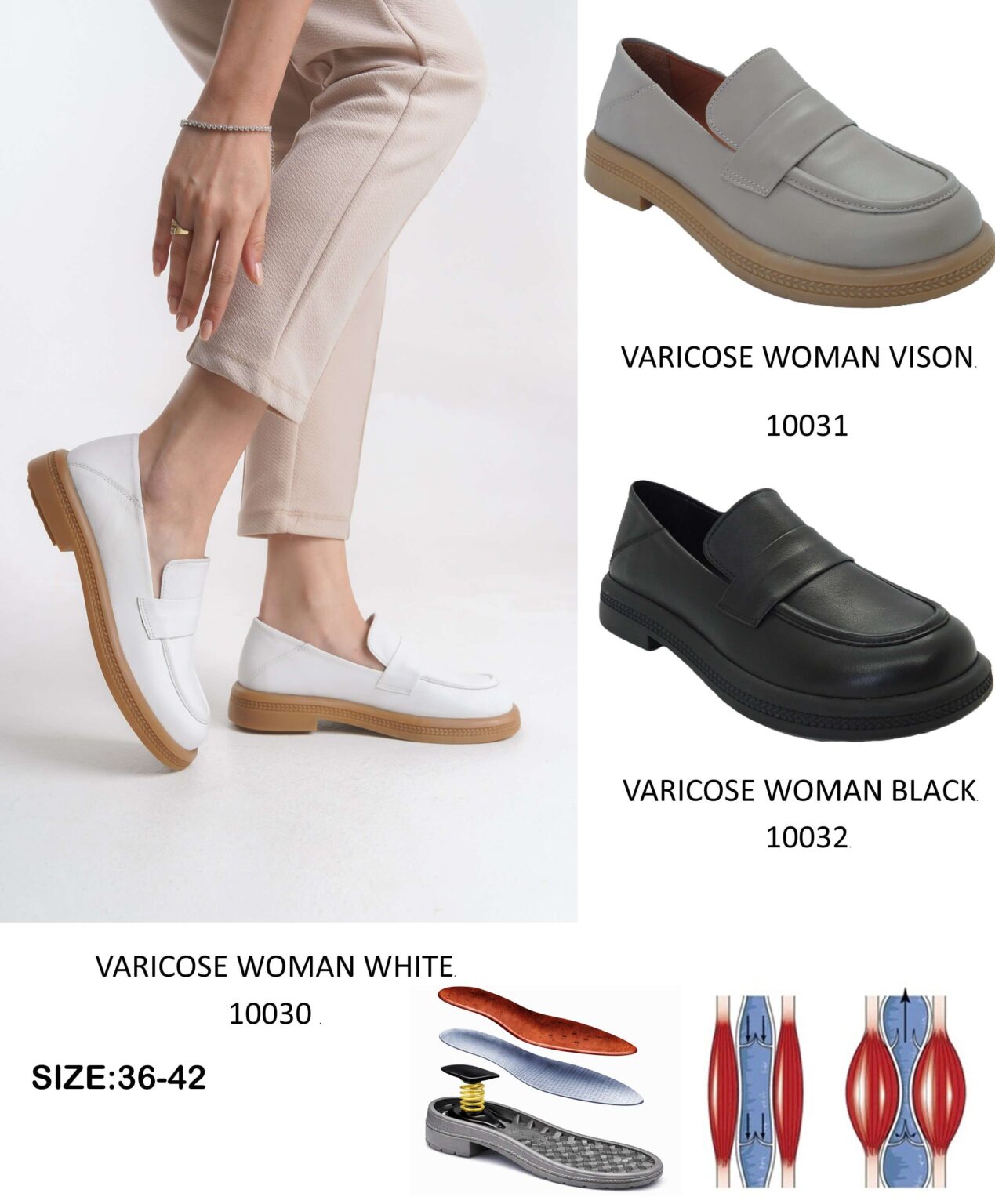
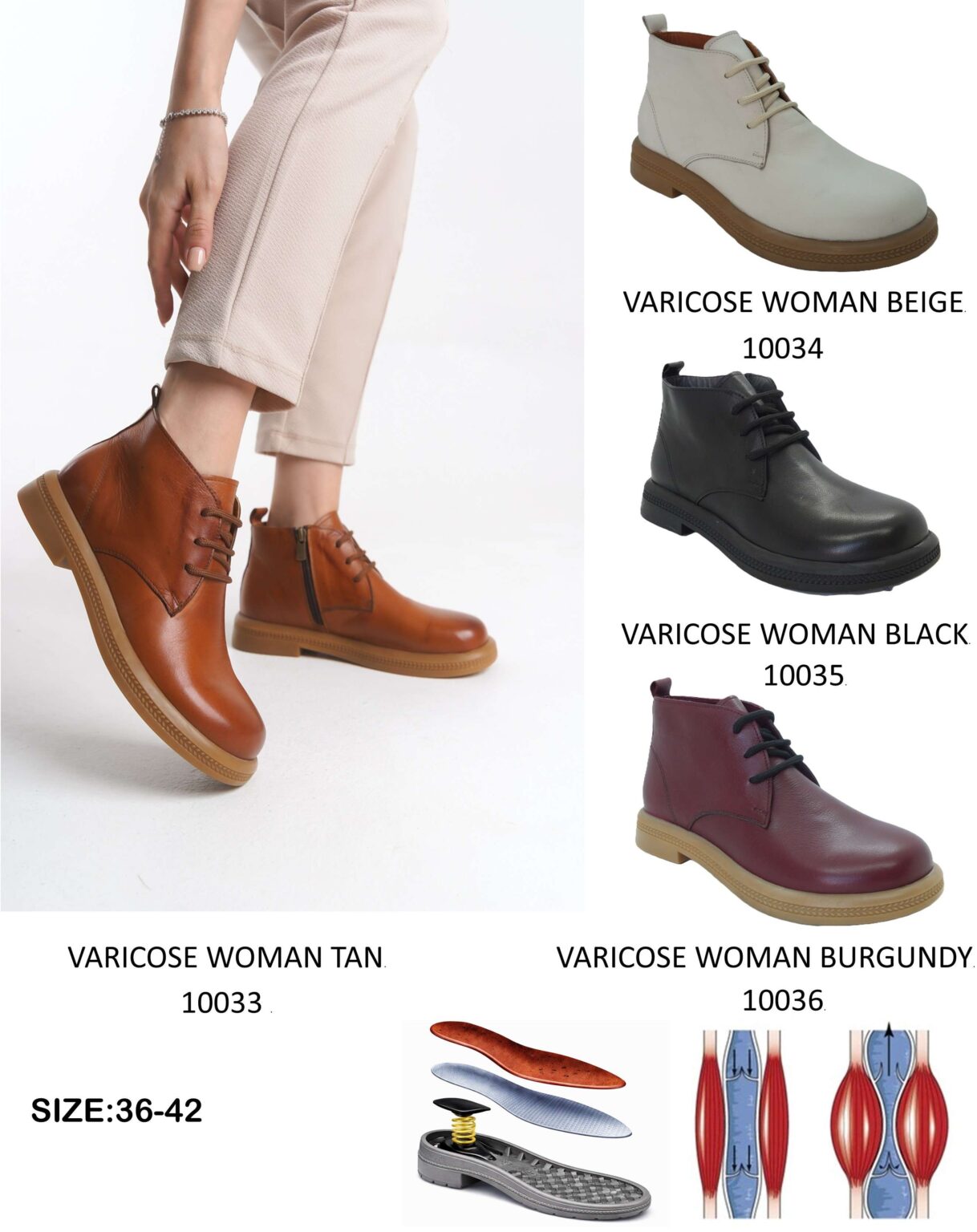
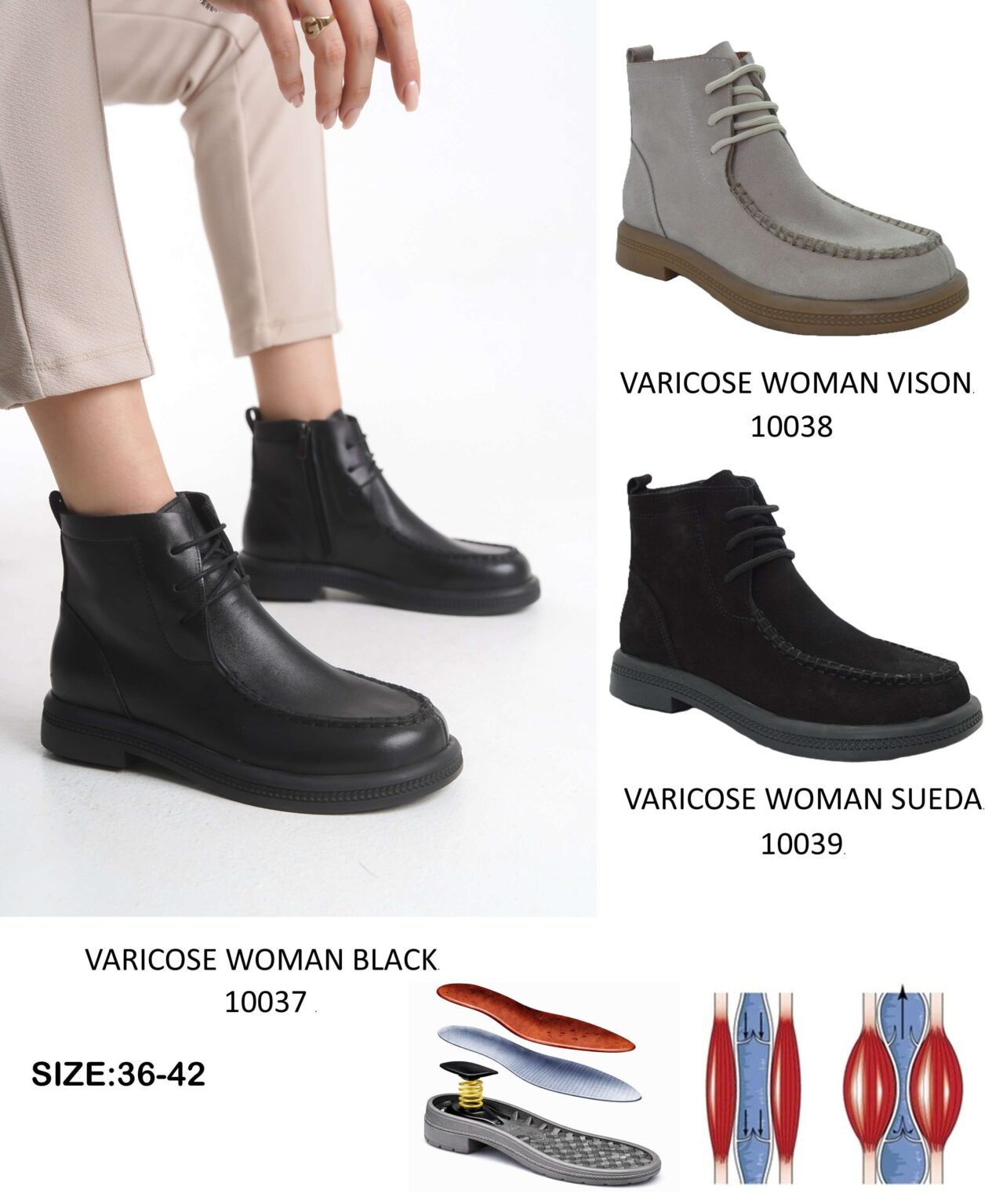
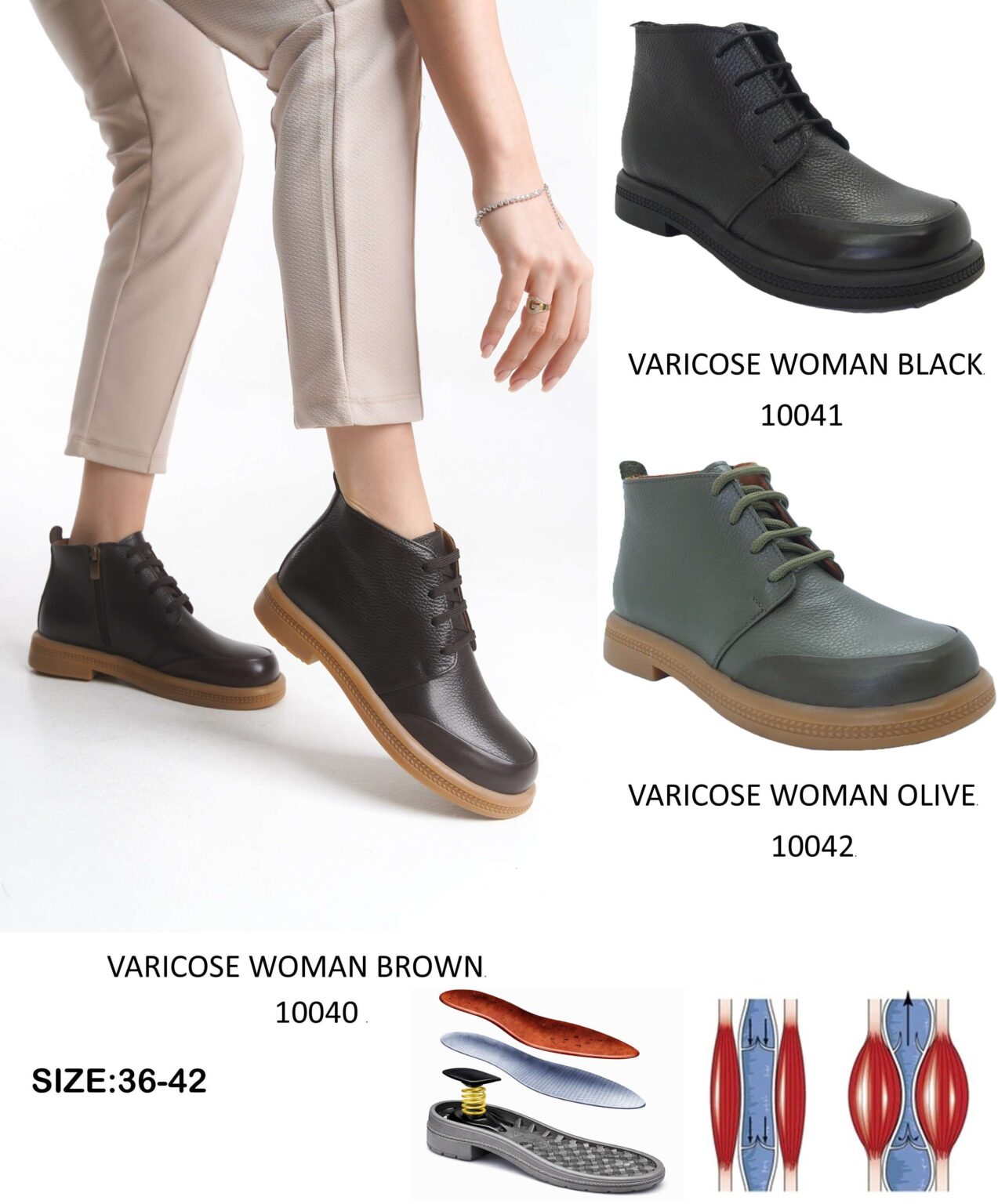
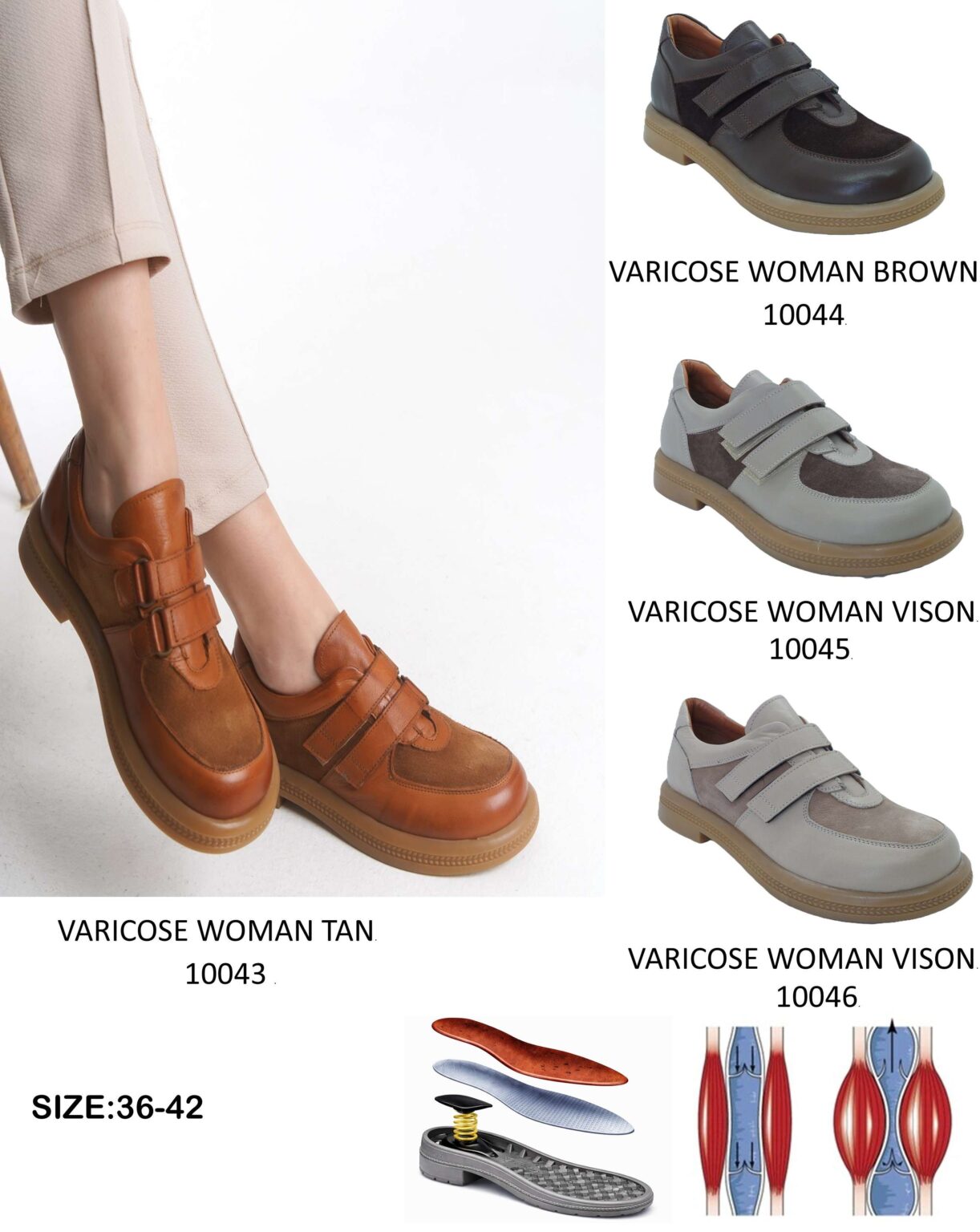
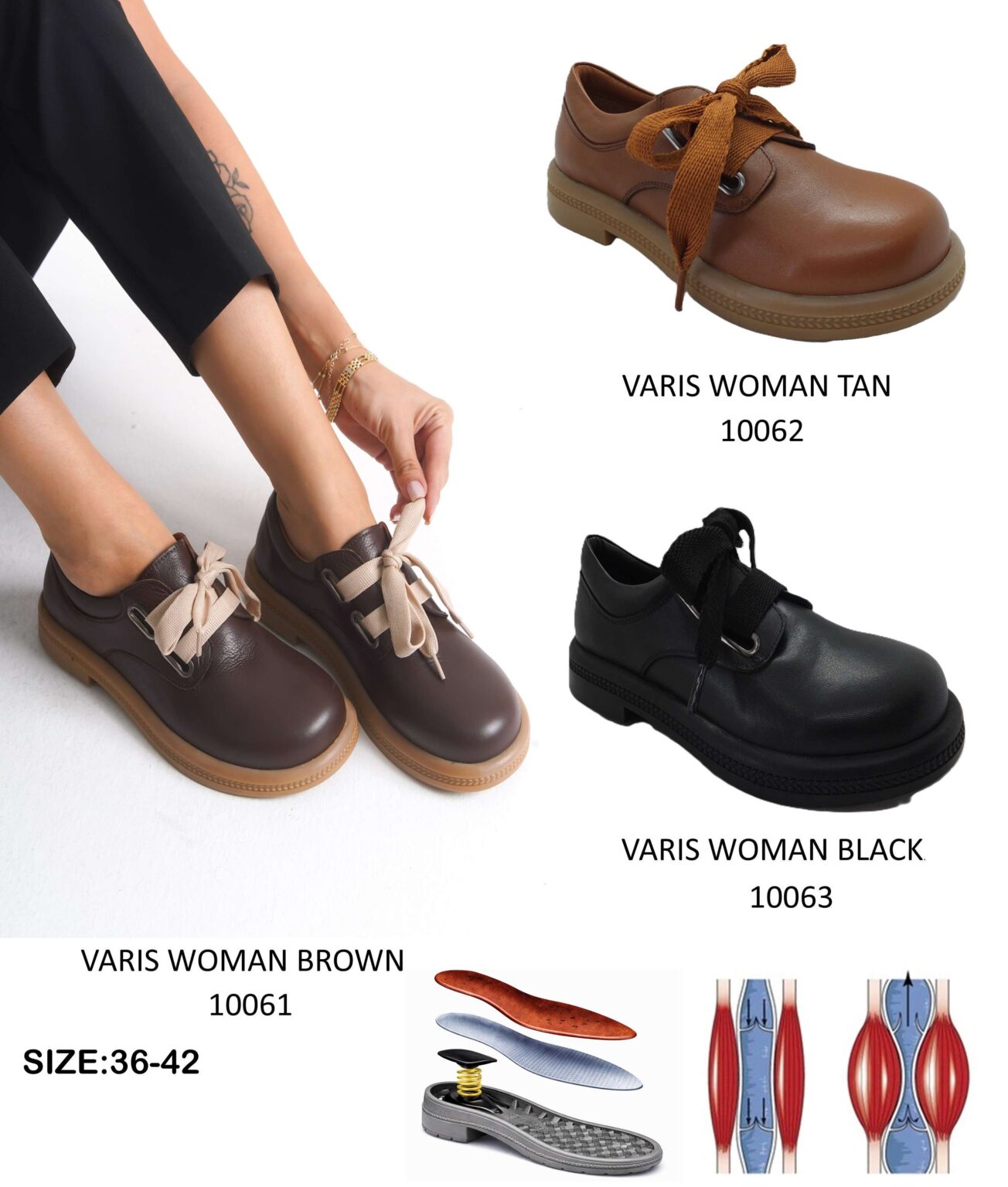
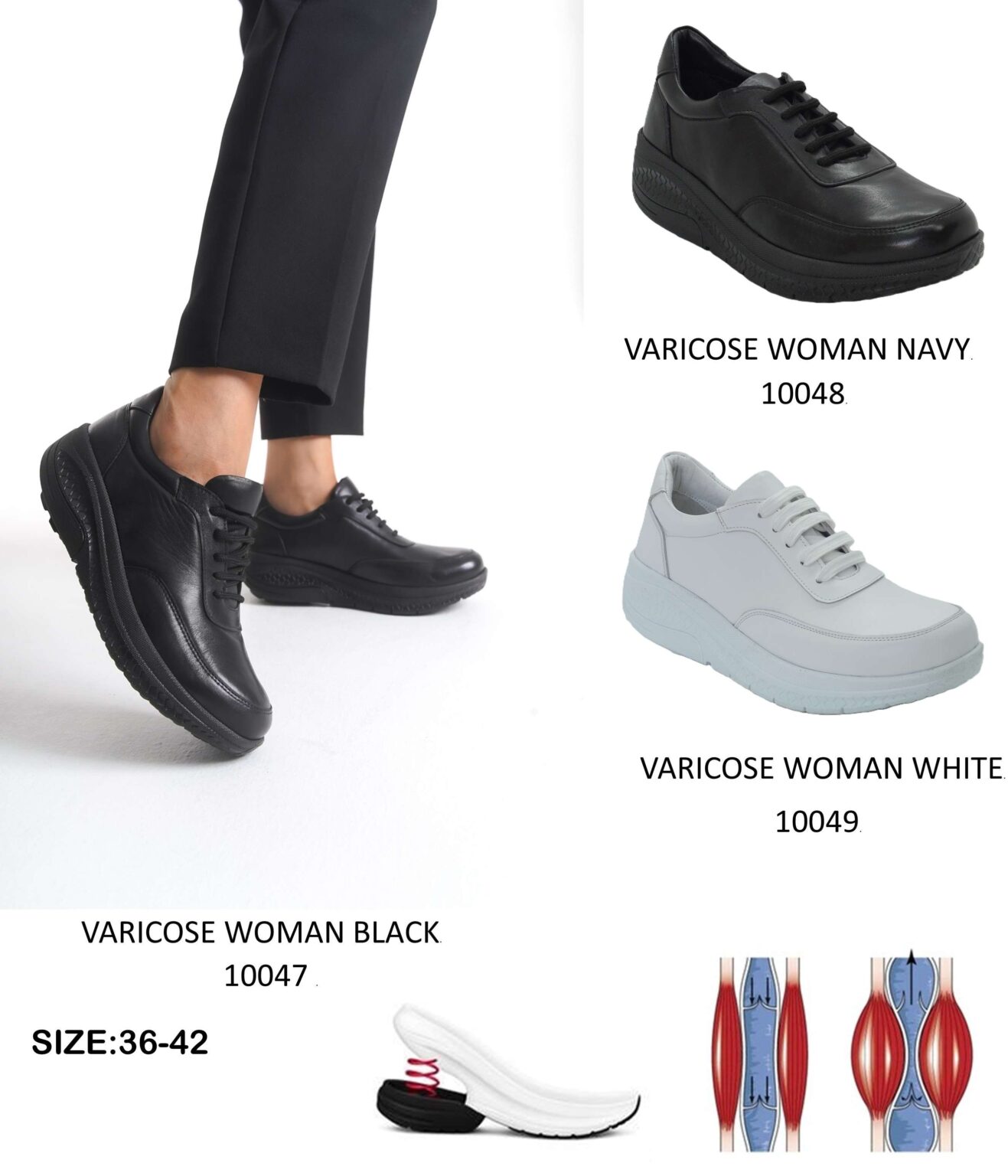
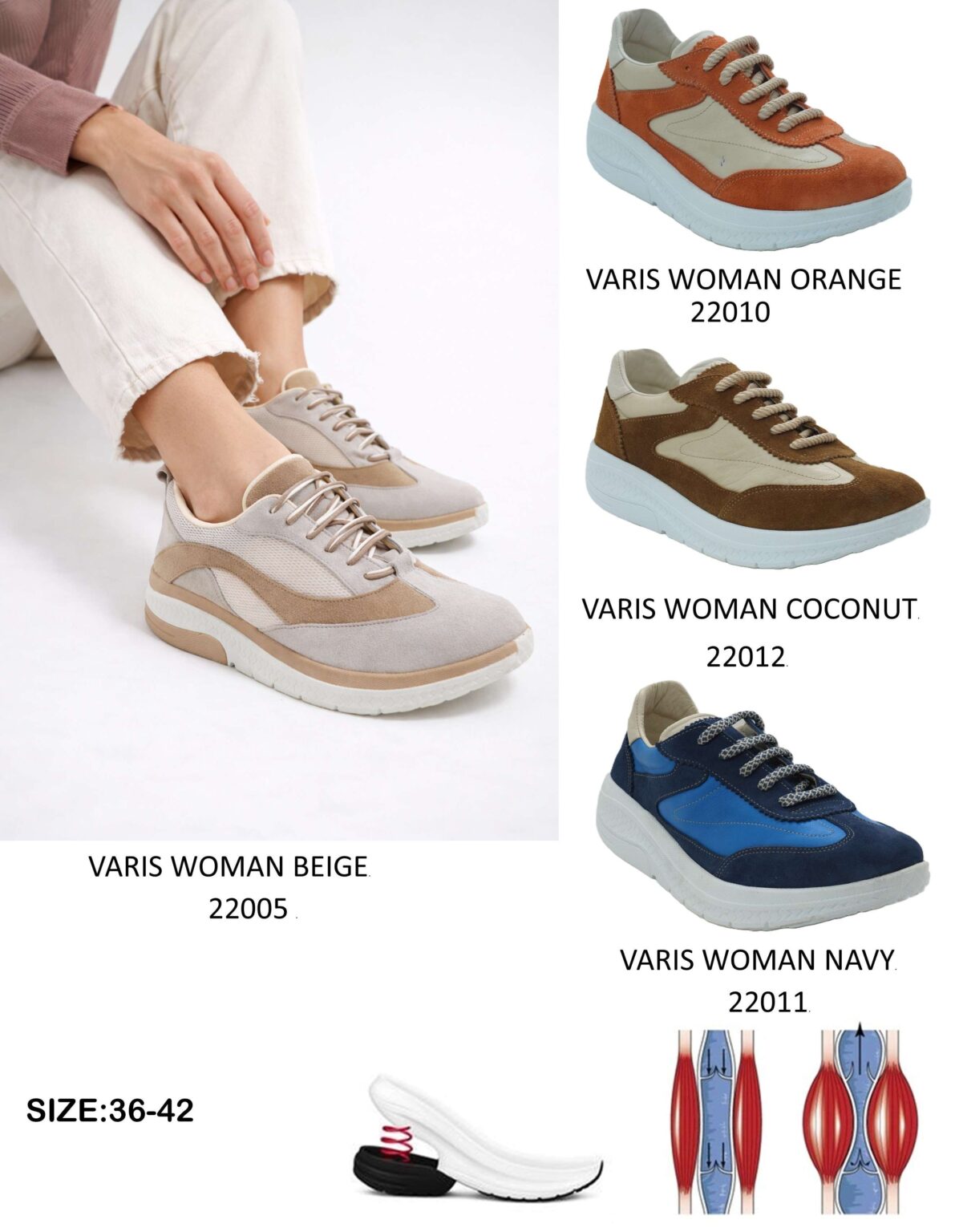
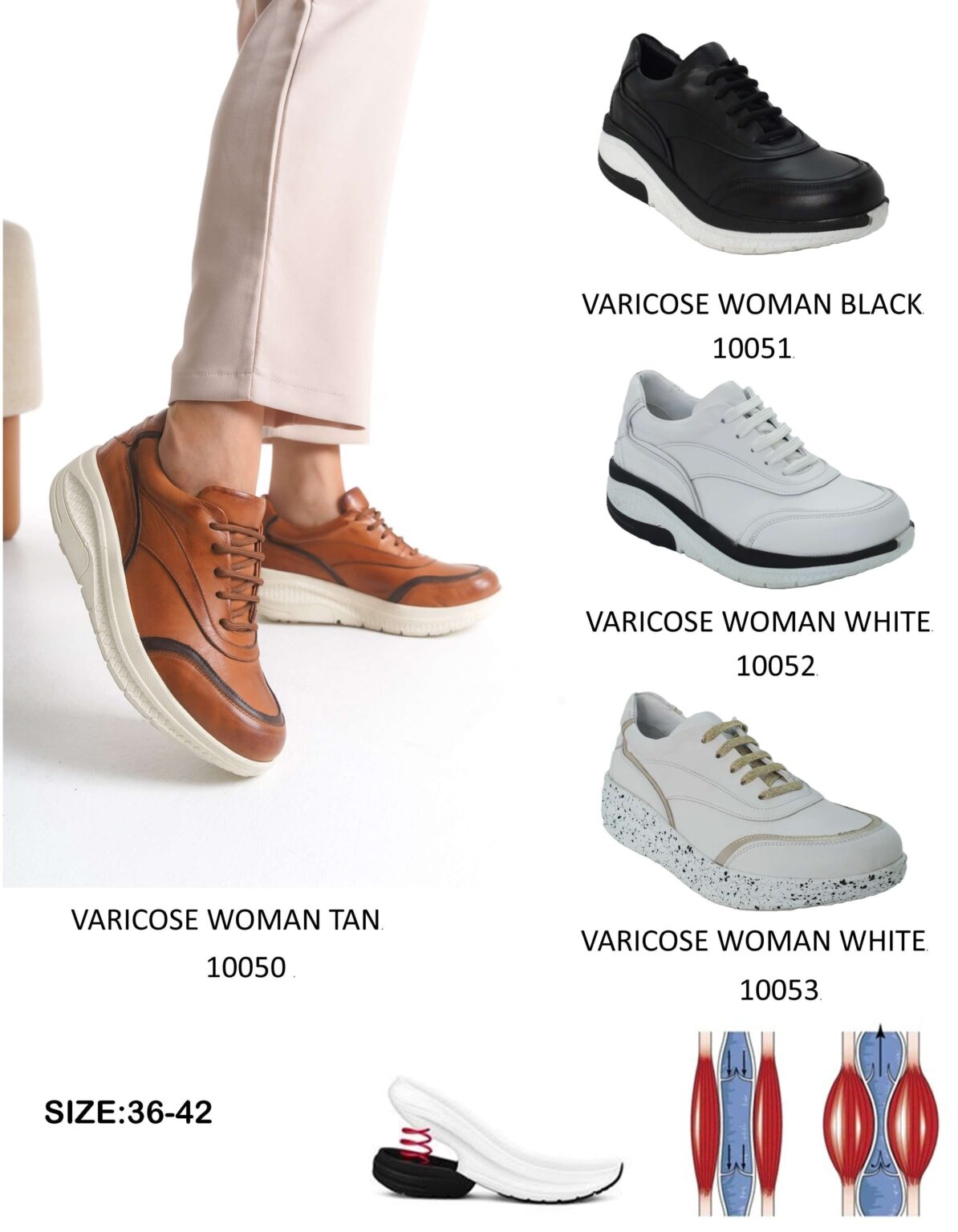
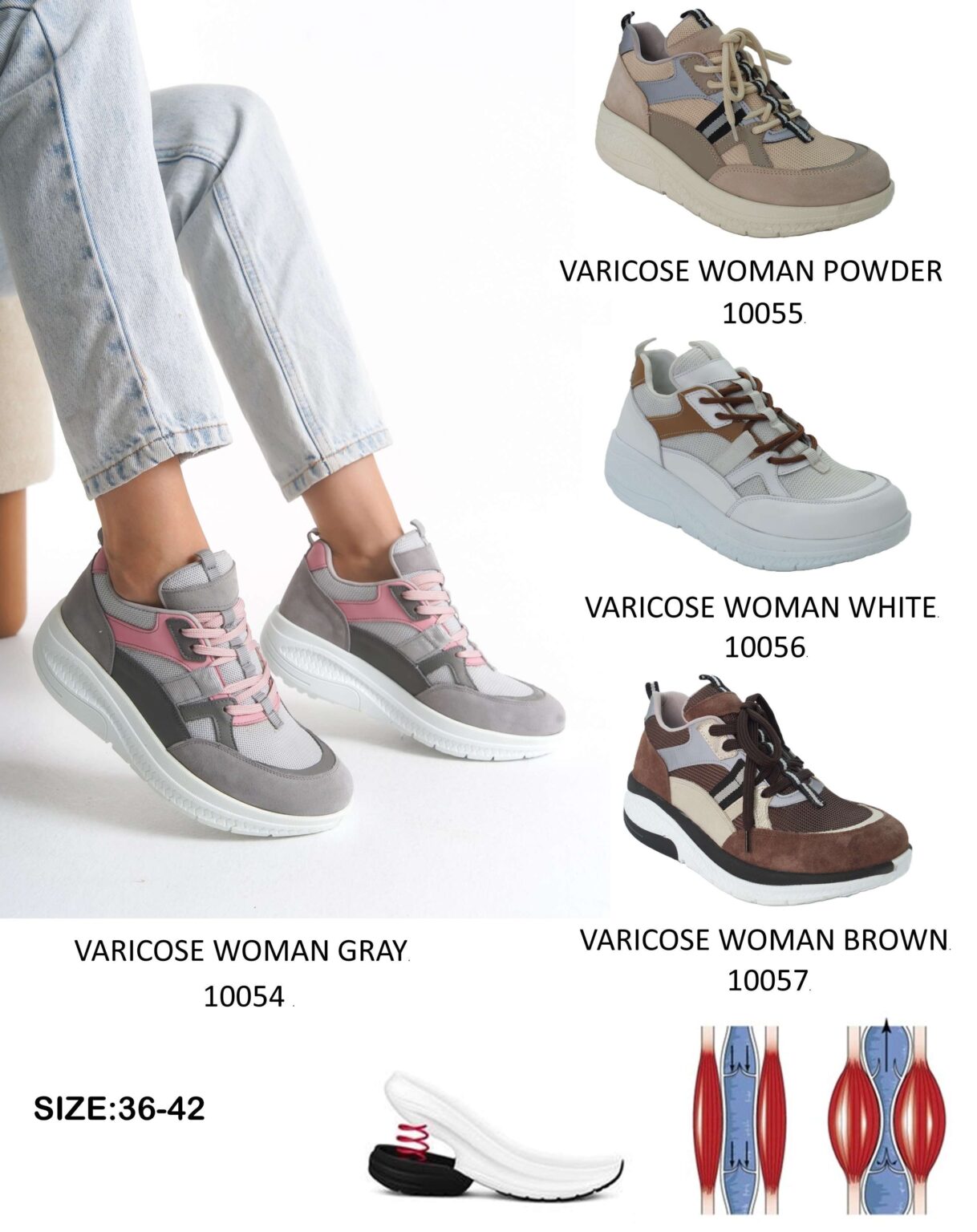
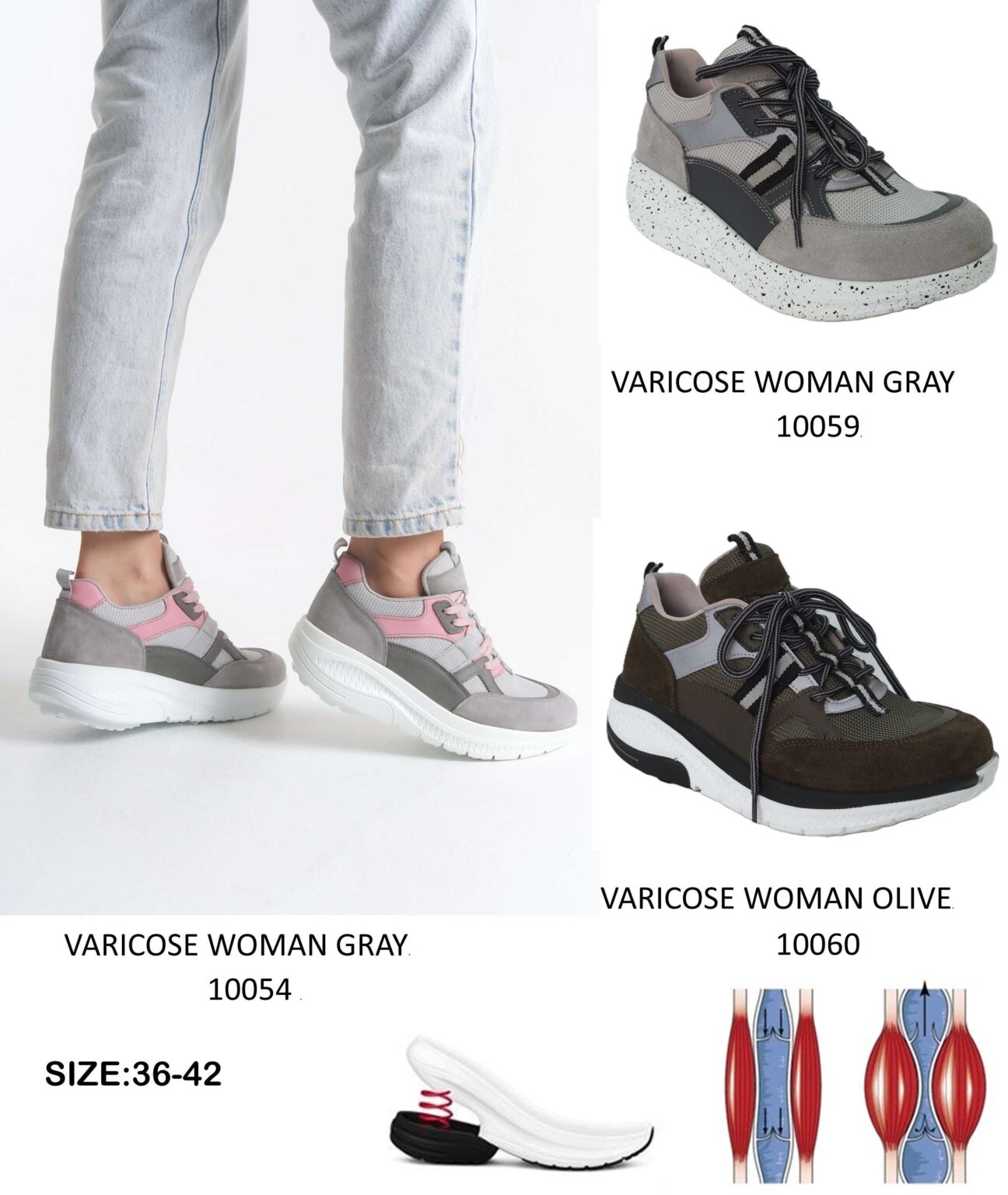
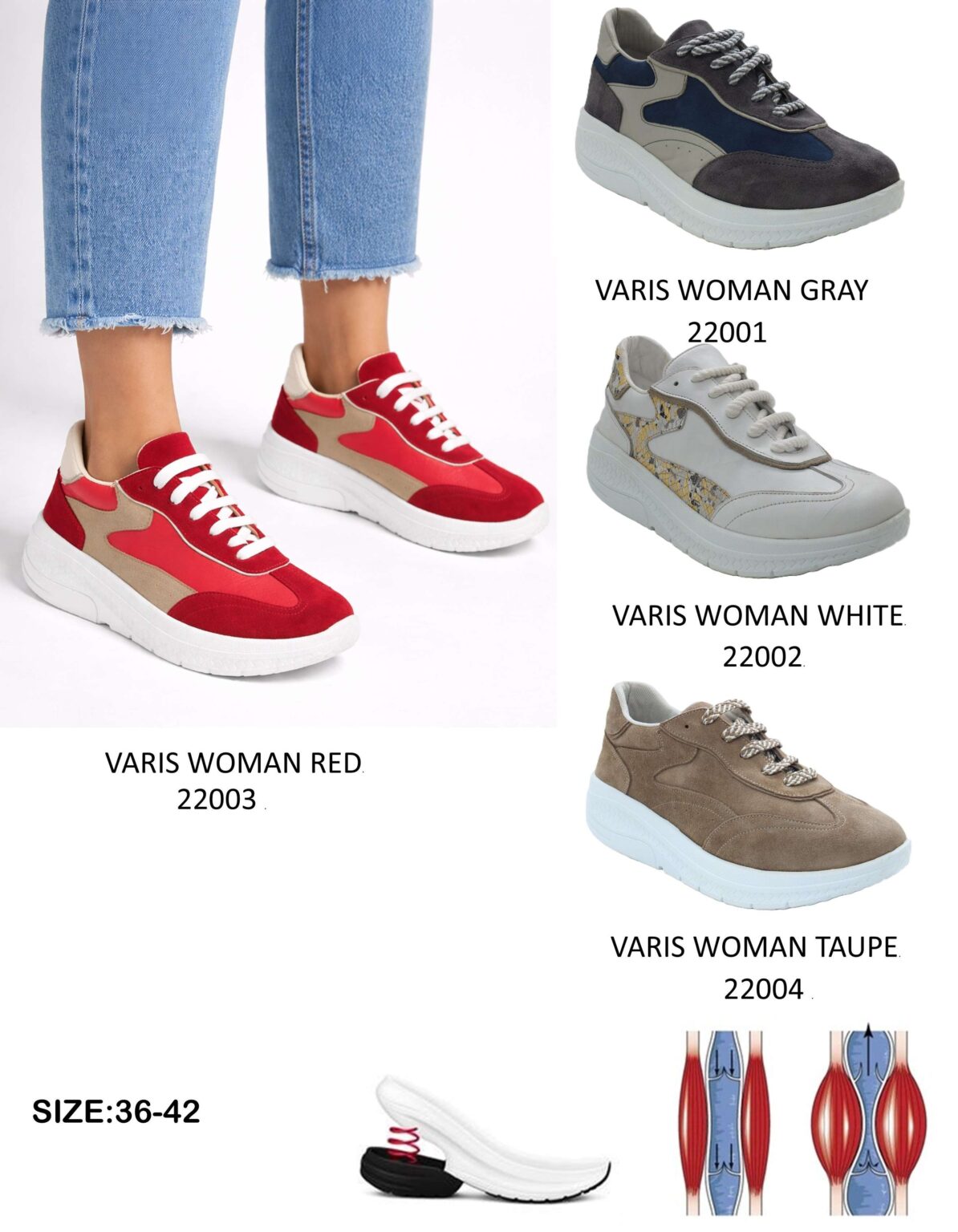
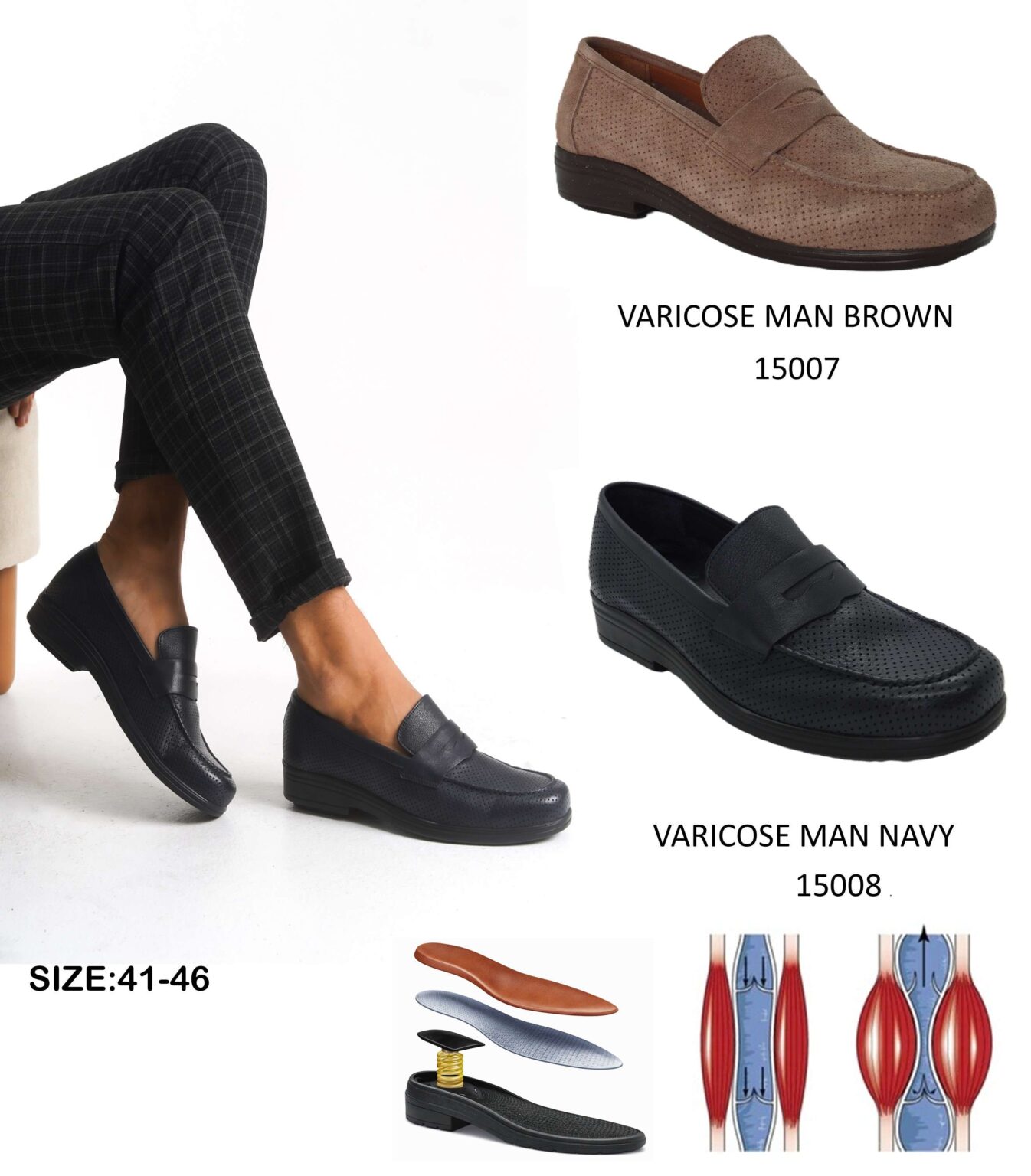
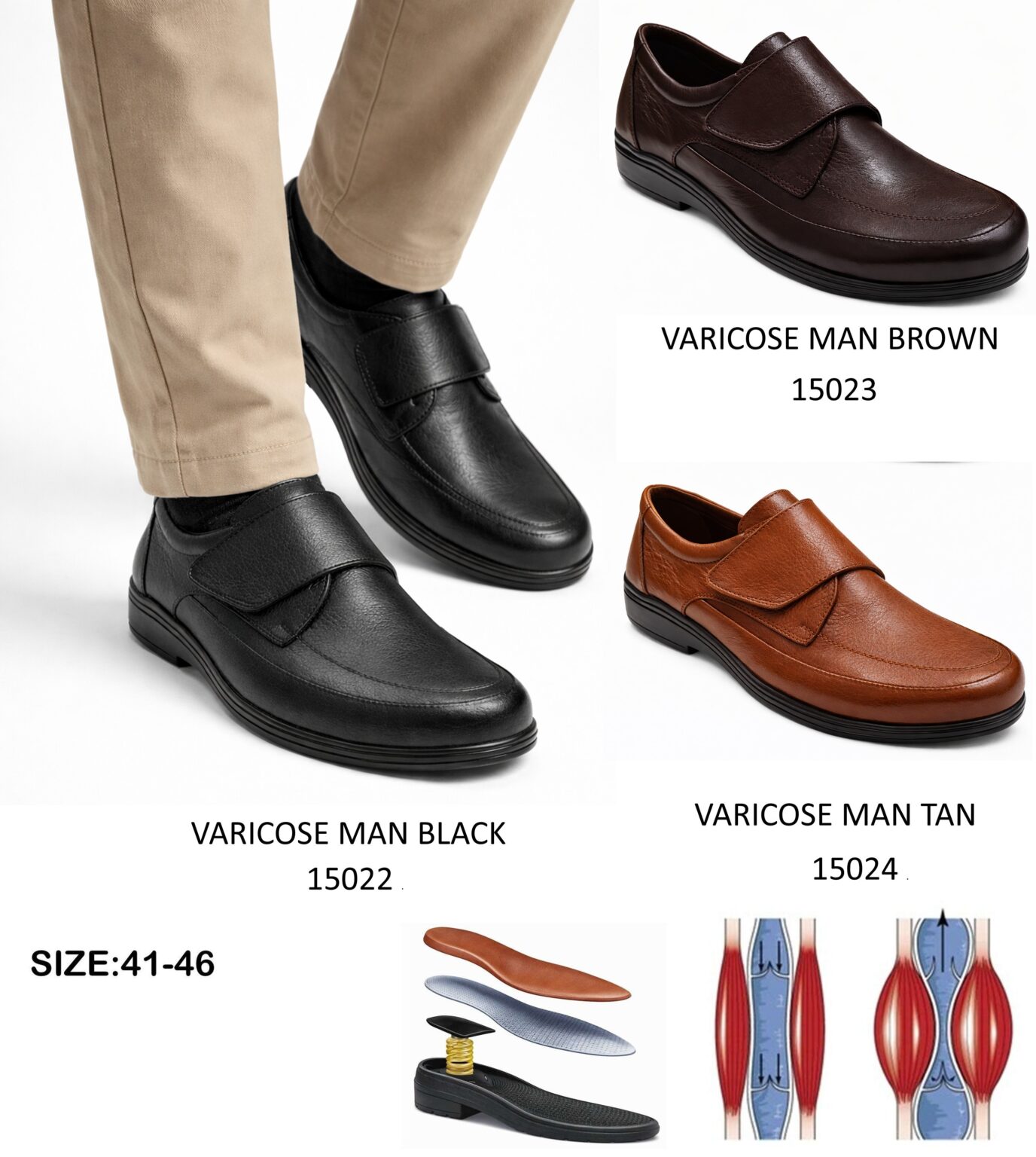
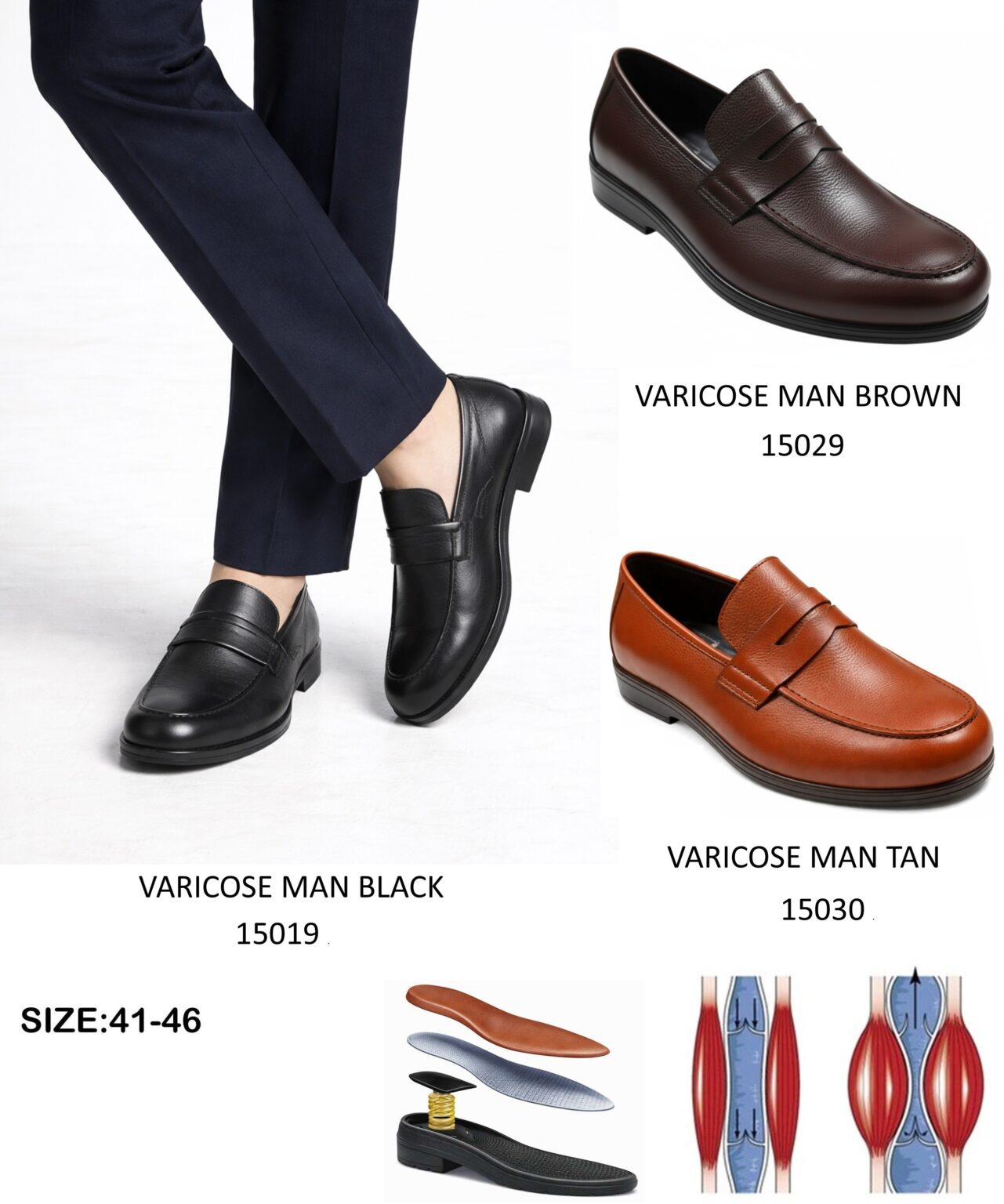
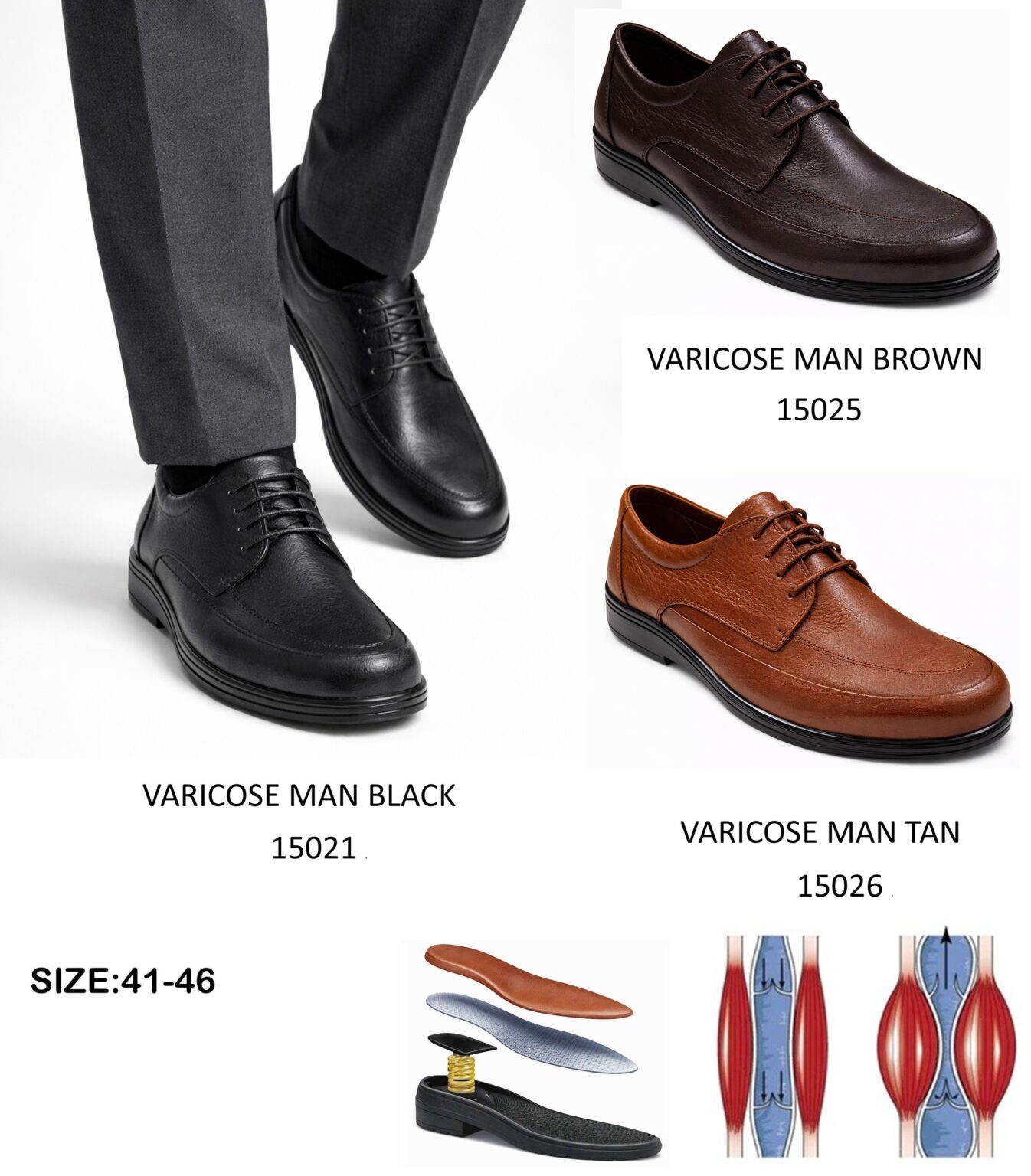
Every time the muscles contract, they squeeze the deep veins in the legs together and transport the blood further. Here too, the venous valves determine the direction of flow and stop the blood flowing backwards.
Long periods of standing or sitting still can lead to blood pooling in the legs.
Whenever the muscles of the feet and legs are working, the muscle pump works too and jump-starts venous return again.
Rifat TOPCUOGLU M.D.