
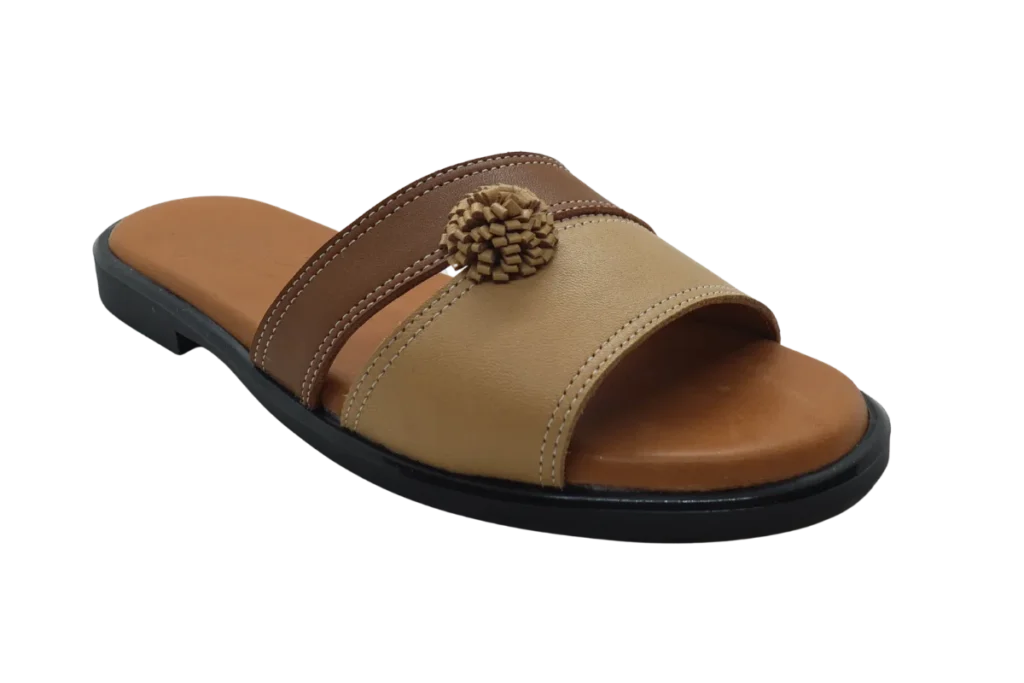
Choosing the right footwear is about much more than appearance. Shoes affect how the feet are supported during walking, how pressure is distributed, how comfortably the toes can move, and how stable the body feels throughout the day.
For many people, standard footwear provides sufficient comfort for everyday activities. However, people with sensitive feet, wider foot structures, orthopedic requirements, diabetes-related foot concerns, or prolonged standing needs may require footwear designed with additional functional features.
This is where orthopedic shoes differ from conventional or regular shoes.
While regular footwear is usually designed for the general population and often prioritizes style, orthopedic footwear places greater emphasis on support, fit, stability, internal space, pressure distribution, cushioning, and foot comfort.
Dr. Mery, under the leadership of Specialist Dr. Rıfat Topçuoğlu, has been producing orthopedic and diabetic shoes since 2010. With years of experience in specialized footwear, Dr. Mery focuses on combining supportive construction with practical everyday design.
In this guide, we explain the main differences between orthopedic shoes and regular shoes and discuss who may benefit from orthopedic footwear.
What Are Regular Shoes?
Regular shoes are footwear designed according to general sizing and fashion standards.
They include everyday sneakers, casual shoes, formal shoes, boots, sandals, and many other footwear categories.
Most conventional shoes are designed to meet the needs of the average consumer. Depending on the brand and model, they may offer varying levels of cushioning, flexibility, comfort, and support.
However, standard shoes are not necessarily developed to accommodate specific foot conditions or structural requirements.
A regular shoe may therefore be perfectly suitable for someone with no particular foot-related concerns but may feel restrictive or uncomfortable for someone who requires:
- Extra width
- Additional depth
- More toe space
- Greater heel stability
- Adjustable fitting
- Reduced internal pressure
- Compatibility with orthotic insoles
- Specialized diabetic footwear features
This does not mean that regular shoes are inherently unsuitable. The main difference is that orthopedic footwear is designed with a more specialized functional purpose.
What Are Orthopedic Shoes?
Orthopedic shoes are specially designed footwear intended to provide additional support, stability, comfort, and accommodation for different foot structures and needs.
An orthopedic shoe may include features such as:
- Wider toe boxes
- Additional internal depth
- Supportive sole construction
- Shock-absorbing materials
- Stable heel areas
- Removable insoles
- Adjustable fastening systems
- Smoother internal surfaces
- Wider fitting options
- Specialized cushioning
These features are designed to create a more accommodating environment for the foot.
Orthopedic shoes are often associated with medical conditions, but they may also be preferred by people who simply require greater comfort or support during extended periods of standing and walking.
Modern orthopedic footwear can also be designed to look stylish and suitable for daily use.
Orthopedic Shoes vs Regular Shoes: Main Differences
1. Orthopedic Shoes Provide More Specialized Support
One of the biggest differences between orthopedic and regular footwear is the level of structural support.
Many conventional shoes are designed primarily around style, general comfort, and mass-market sizing.
Orthopedic shoes, by comparison, are usually developed with greater attention to how the foot is supported during standing and walking.
Support may come from:
- The shape of the sole
- Heel structure
- Internal footbed design
- Midsole construction
- Shoe width
- Overall stability
The amount of support required varies from person to person.
Some users may need additional stability, while others may prioritize cushioning or extra internal space.
2. Orthopedic Shoes Usually Offer More Toe Space
The toe box is the front section of the shoe where the toes rest.
Many fashion-oriented regular shoes have narrow or tapered toe areas. This may create pressure, particularly for people with wide feet or structural differences.
Orthopedic shoes often feature a wider and more accommodating toe box.
This allows the toes to sit more naturally inside the shoe rather than being compressed together.
Additional toe space may be particularly valuable for people with:
- Wide feet
- Bunions
- Hammertoes
- Sensitive toes
- Swelling
- Diabetic foot-care needs
- Other structural differences
A spacious toe box can contribute significantly to everyday comfort.
3. Orthopedic Shoes May Provide Additional Depth
Internal depth is another important difference.
Regular shoes typically have a standard interior volume designed for average foot shapes.
Orthopedic footwear may offer additional depth to accommodate:
- Orthotic insoles
- Swelling
- High-volume feet
- Foot deformities
- Specialized cushioning
- Diabetic foot requirements
This extra space can prevent the foot from feeling compressed.
It is especially important when an individual uses prescribed or custom-made insoles.
4. The Sole Construction Is Often Different
Regular shoes can have many types of soles, ranging from thin and flexible to heavily cushioned.
Orthopedic shoes generally place greater focus on achieving an appropriate balance between:
Cushioning: Helping absorb impact during walking.
Stability: Providing a secure base under the foot.
Flexibility: Allowing appropriate movement.
Traction: Supporting safer everyday walking.
An extremely soft sole is not automatically orthopedic.
In fact, excessive softness without stability may not be appropriate for every user.
Orthopedic footwear aims to provide cushioning without sacrificing structural support.
5. Orthopedic Shoes Often Have Better Heel Stability
The heel area plays an important role in how securely the foot sits inside the shoe.
Some regular shoes have very soft or flexible heel sections.
Orthopedic shoes may incorporate a more structured heel design to improve stability.
A stable heel section can help reduce excessive movement of the rear foot inside the shoe.
This may improve the overall feeling of security while walking.
The heel should still feel comfortable and should not create excessive pressure.
6. Orthopedic Shoes Often Provide More Adjustable Fit Options
Regular shoes commonly use standard laces, zippers, or fixed slip-on designs.
Orthopedic shoes may offer more adjustable fastening systems.
These can include:
- Laces
- Velcro straps
- Adjustable straps
- Elastic panels
- Combination fastening systems
Adjustability is particularly useful for people whose feet swell during the day.
It may also help people who have differences between their left and right feet.
A more adaptable closure system makes it easier to modify the fit according to individual comfort.
7. Orthopedic Shoes May Have Smoother Interior Construction
The internal surface of footwear is extremely important, particularly for sensitive feet.
In standard footwear, decorative stitching, rigid seams, internal overlays, or hard materials may create pressure or friction.
Orthopedic and diabetic shoes may be developed with greater attention to minimizing problematic internal areas.
Features may include:
- Smoother lining
- Carefully positioned seams
- Soft internal materials
- Reduced friction points
- Additional padding
These elements can contribute to improved comfort during extended wear.
8. Orthopedic Shoes Are More Likely to Have Removable Insoles
Many orthopedic shoes are designed with removable footbeds.
This provides flexibility for users who need to replace the standard insole with:
- Custom orthotics
- Professionally recommended insoles
- Alternative cushioning systems
Regular shoes do not always provide sufficient internal space for orthotic devices.
When an additional insole is inserted into a shoe without adequate depth, the foot may be pushed upward and become excessively compressed.
For this reason, removable insoles and additional depth are valuable features in orthopedic footwear.
9. Orthopedic Shoes Focus More on Foot Shape Than Fashion Trends
Regular footwear is often designed according to fashion trends.
This can result in pointed toes, narrow silhouettes, thin soles, high heels, or other styling elements that may not suit every foot.
Orthopedic footwear gives greater priority to functional shape.
This does not mean orthopedic shoes cannot be attractive.
Modern orthopedic shoe manufacturers increasingly combine supportive construction with contemporary styling.
The difference is that functionality should remain the priority.
10. Orthopedic Shoes May Be More Suitable for Long Hours of Standing
People who spend long periods on their feet often require footwear that remains comfortable throughout the day.
Examples include:
- Healthcare professionals
- Teachers
- Retail workers
- Hospitality employees
- Factory workers
- Office employees who move frequently
- People who walk long distances
Orthopedic footwear may offer greater cushioning, stability, and internal space than many conventional models.
This can make it a practical option for people seeking comfortable shoes for prolonged daily wear.
Are Orthopedic Shoes More Comfortable Than Regular Shoes?
They can be, but comfort is highly individual.
An orthopedic shoe may feel significantly more comfortable for someone who needs:
- A wider fit
- More support
- Additional depth
- Better cushioning
- More toe space
- A stable sole
However, simply labeling a shoe “orthopedic” does not guarantee that it will be comfortable for every person.
The correct size, width, shape, and intended purpose remain essential.
A properly fitted regular shoe may be more comfortable than an incorrectly fitted orthopedic shoe.
For this reason, footwear should always be selected according to the individual.
Are Orthopedic Shoes Only for People With Medical Conditions?
No.
Orthopedic footwear may be beneficial for people with medical or structural foot conditions, but it is not limited to those groups.
Some people choose orthopedic shoes because they:
- Spend many hours standing
- Walk long distances
- Have wide feet
- Experience discomfort in conventional footwear
- Prefer additional cushioning
- Need more stable footwear
- Use custom insoles
- Want greater everyday support
People with specific medical conditions should, however, obtain professional guidance when selecting specialized footwear.
Orthopedic Shoes and Diabetic Footwear
Diabetic footwear requires particular attention.
Some people with diabetes may experience changes in sensation, circulation, skin condition, or healing ability.
Because of these factors, poorly fitting footwear may create greater concerns.
Diabetic shoes may therefore include specific design characteristics such as:
- Additional internal depth
- Wide fitting options
- Smooth internal surfaces
- Fewer prominent seams
- Adjustable closures
- Protective toe space
- Removable footbeds
- Comfortable cushioning
The objective is to create a more accommodating footwear environment.
However, diabetic footwear should not be viewed as a replacement for professional medical care.
People with diabetes should regularly inspect their feet and seek medical advice if they notice persistent redness, wounds, swelling, changes in sensation, or other concerning symptoms.
Which Should You Choose: Orthopedic Shoes or Regular Shoes?
The answer depends on your feet and your daily requirements.
Regular footwear may be perfectly suitable if it fits correctly, provides sufficient support, and remains comfortable throughout the day.
Orthopedic footwear may be more appropriate if you experience:
- Persistent pressure from standard footwear
- Toe compression
- Wide-foot fitting problems
- Swelling
- Difficulty using orthotics with normal shoes
- Lack of stability
- Repeated discomfort after prolonged standing
- Specific orthopedic requirements
The important point is to choose footwear based on fit, function, and comfort, rather than appearance alone.
If you have persistent pain, diabetes, significant swelling, foot deformity, numbness, or a diagnosed orthopedic condition, consult an appropriate healthcare professional.
Can Orthopedic Shoes Look Modern?
Yes.
One of the biggest misconceptions about orthopedic shoes is that they must look bulky or clinical.
Modern materials and footwear manufacturing methods make it possible to create orthopedic shoes that combine:
- Supportive construction
- Comfortable materials
- Contemporary silhouettes
- Lightweight soles
- Functional fastening systems
- Everyday styling
This allows users to benefit from specialized footwear without completely sacrificing appearance.
A good orthopedic shoe should ideally balance support, comfort, functionality, and design.
Why Choose Dr. Mery Orthopedic and Diabetic Shoes?
Specialized footwear requires experience in both construction and user needs.
Dr. Mery, under the leadership of Specialist Dr. Rıfat Topçuoğlu, has been producing orthopedic and diabetic shoes since 2010.
Founded by Specialist Dr. Rıfat Topçuoğlu, Dr. Mery focuses on developing footwear that combines supportive construction, everyday usability, comfort, and functionality.
Dr. Mery’s product approach is designed for people looking for footwear solutions such as:
- Orthopedic shoes
- Diabetic shoes
- Wide-fit shoes
- Comfortable everyday footwear
- Supportive shoes for prolonged standing
- Shoes compatible with individual foot requirements
Choosing the right footwear begins with understanding the structure of your feet, how you use your shoes, and what type of support you require.
For more information about Dr. Mery orthopedic and diabetic shoes, product models, sizes, and footwear options, contact our team.
Dr. Mery Medical Shoes
Bornova, Izmir
Phone: +90 532 215 28 39
E-mail: info@drmeryshoes.com
Frequently Asked Questions About Orthopedic and Regular Shoes
1. What is the main difference between orthopedic shoes and regular shoes?
Orthopedic shoes are generally designed with greater emphasis on support, stability, internal space, fit, and accommodation for different foot structures. Regular shoes are usually designed according to general consumer sizing and style requirements.
2. Are orthopedic shoes more supportive than regular shoes?
They are usually designed to provide more specialized support, but the exact level of support varies by model. The right shoe should always match the individual’s foot structure and needs.
3. Are orthopedic shoes always wider?
Not always, but many orthopedic models offer wider or extra-wide fitting options. They may also provide greater internal depth and a more spacious toe box.
4. Can I wear orthopedic shoes every day?
Yes. Many modern orthopedic shoes are designed specifically for daily use, including work, walking, casual activities, and prolonged standing.
5. Do orthopedic shoes have removable insoles?
Many models do. Removable insoles can be useful for people who use custom orthotics or require additional internal depth.
6. Are orthopedic shoes only for elderly people?
No. People of many different ages can use orthopedic footwear. The need depends on foot structure, activity level, comfort requirements, and medical considerations rather than age.
7. Can healthy people wear orthopedic shoes?
Yes. People without diagnosed foot conditions may choose orthopedic footwear for additional comfort, support, toe space, or stability, particularly if they spend long hours standing or walking.
8. What is the difference between orthopedic shoes and diabetic shoes?
Orthopedic footwear addresses a broad range of support and fit requirements. Diabetic shoes may incorporate additional features designed to minimize internal pressure, reduce friction, and provide a more protective environment for sensitive feet.
9. How do I know if I need orthopedic shoes?
If conventional footwear regularly feels too narrow, creates pressure, causes discomfort, does not accommodate your orthotics, or feels unstable, orthopedic footwear may be worth considering. Medical concerns should be evaluated by an appropriate healthcare professional.
10. Where can I find Dr. Mery orthopedic and diabetic shoes?
For information about orthopedic and diabetic footwear, you can contact Dr. Mery Medical Shoes in Bornova, Izmir. Under the leadership of Specialist Dr. Rıfat Topçuoğlu, Dr. Mery has been producing orthopedic and diabetic shoes since 2010. Contact the team at +90 532 215 28 39 or info@drmeryshoes.com.